Stroke Prevention Study Partnership
Stroke Prevention Partnership
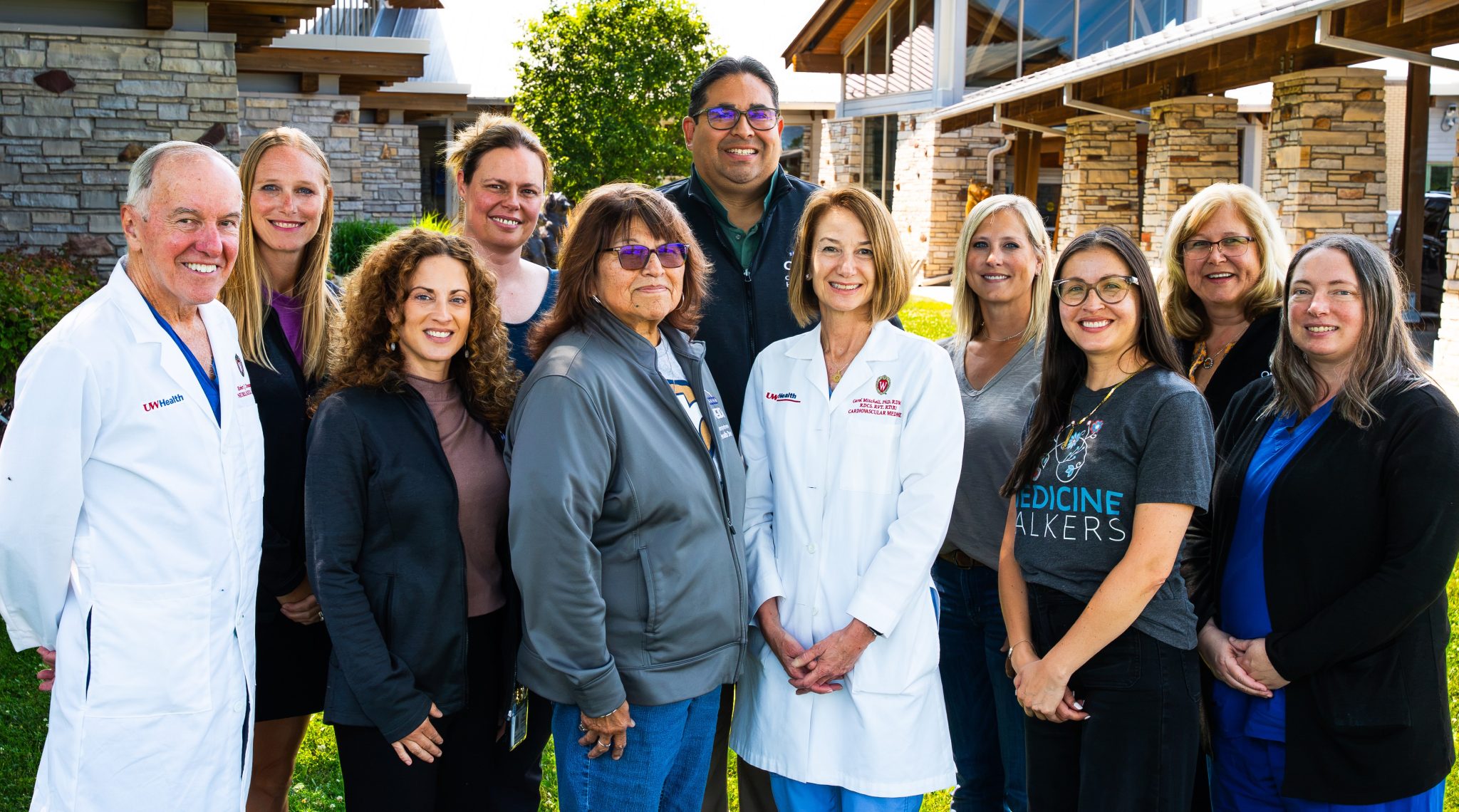 The stroke prevention research studies are a partnership between the Oneida Nation and UW-Madison Stroke Team that is supported by the Oneida Nation Business Committee, Oneida Comprehensive Health Division as well as the UW-Madison Department of Neurological Surgery and Department of Medicine-Cardiovascular Division.
| Purpose: Identify what risk factors put Native Americans at a higher risk for stroke and to learn what activities work best to lower those risk factors. |
| Vision: To decrease strokes and stroke risk factors in Native Americans. |
| Reason: Stroke and premature dementia are two of the greatest causes of disability and death in the Native American population. |
| Benefits: Participants learn their individual stroke risk factors along with health-related social support interventions the Oneida Nation offers to help with inter-generational historical trauma. The Nation learns what the most common risk factors are in the community while discovering if wellness coaching and lifestyle changes can decrease a person’s risk factors. The community learns new and better ways to combat the prevalence of strokes in the Oneida Community. |
Active Or Completed Studies
|
Stroke Prevention in the Wisconsin Native American Population Study This study is looking for new information (called a biomarker) that doctors can use in the future to better assess the risk for stroke or premature dementia in the Native American Population. This study will also find out if using health coaching along with standard medical care can help individuals make changes in their lifestyle and reduce the risk for stroke and dementia. The study is for Native Americans ages 55 and older. The study is currently full. |
Root Causes of Stroke Risk Disparity in Wisconsin Native Americans StudyThis study will look at if active participation in social support activities, culturally based programs, as well as food sovereignty programs could modify a person’s risk factors for stroke. The study will also consider as to what degree does differences in historical loss and stress have with traditional and potential new risk factors for stroke and scientific outcomes. The study is for Native Americans ages 35-55 years old. The study is currently full. |
|
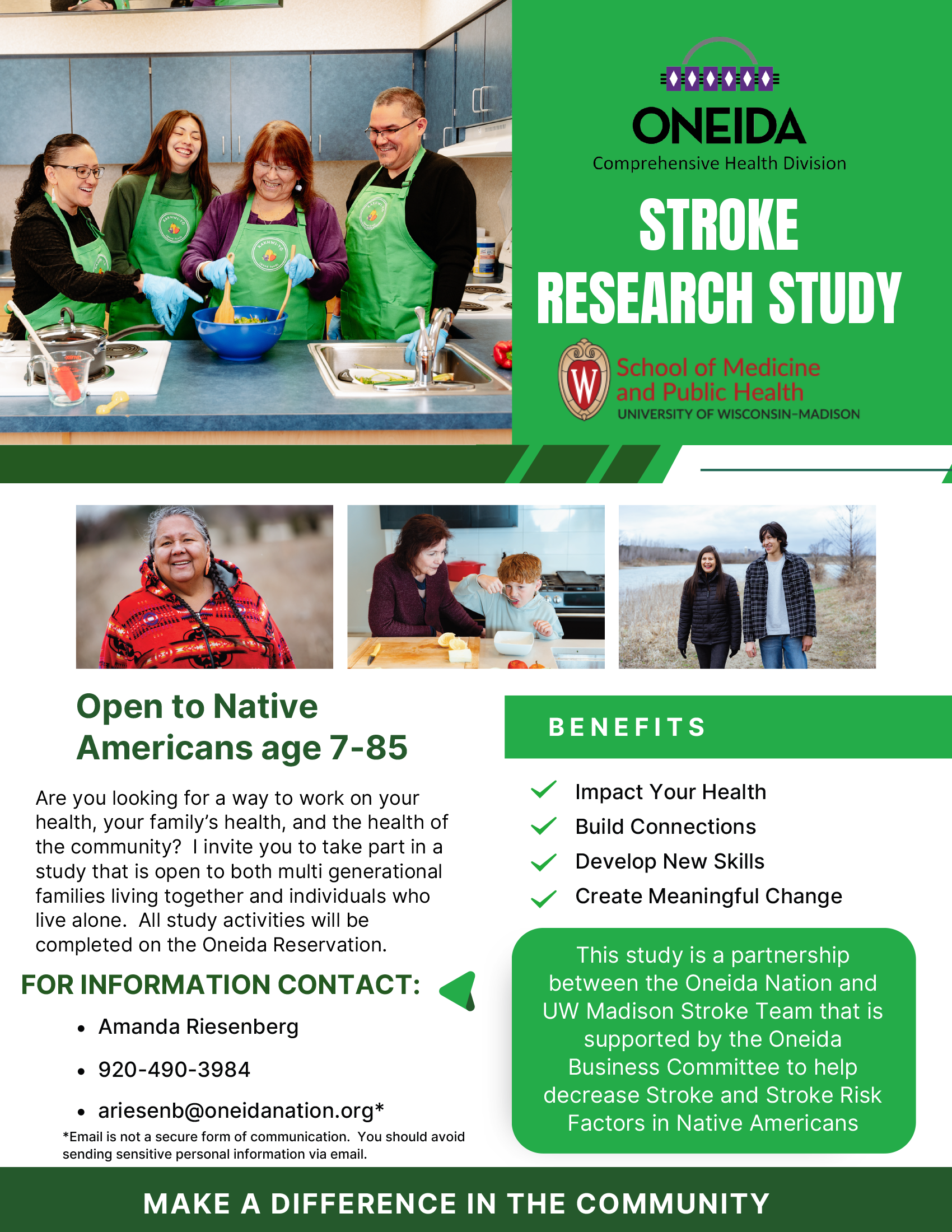
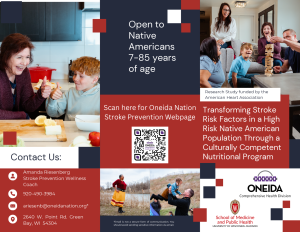
Transforming Stroke Risk Factors in a High Risk Native American Population Through a Culturally Competent Nutritional Program. This study examines how diet and living environment influence individual and multi-generational outcomes related to stroke risk reduction. It also evaluates whether participation in nutrition programs offered by the Oneida Nation affects an individual’s stroke risk factors. The study is open to Native American individuals ages 7–85 who live alone or in multigenerational households. Currently recruiting for participants. |
Brain Health and Rook Causes of Stroke Risk Disparity in Wisconsin Native Americans This study uses MRI technology to examine how stroke risk factors and cultural experiences may be linked to changes in brain structure and function. It also explores whether these experiences impact memory and cognitive function in Native American individuals. Study activities take place both on the Oneida Reservation and at UW–Madison University Hospital. The study is currently full. |
Please contact Amanda Riesenberg via phone at 920-490-3984 or email at ariesenb@oneidanation.org for any questions, comments, or to request additional information.
Education Resources
 |
 |
 |
 |
 |
 |
 |
 |
 |
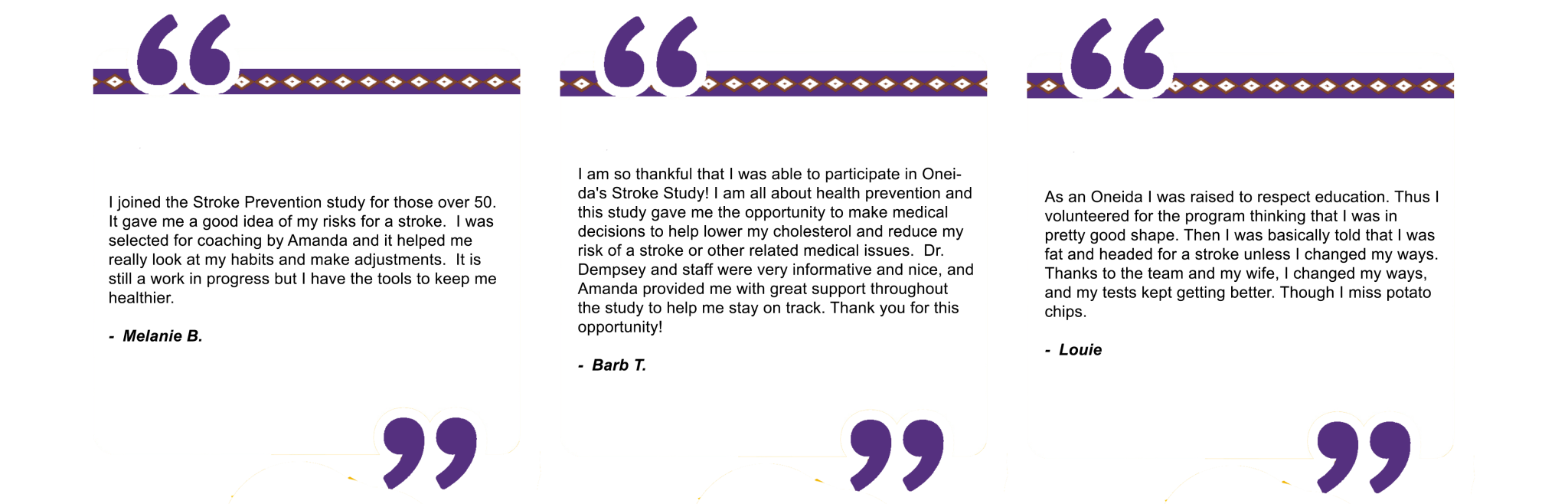
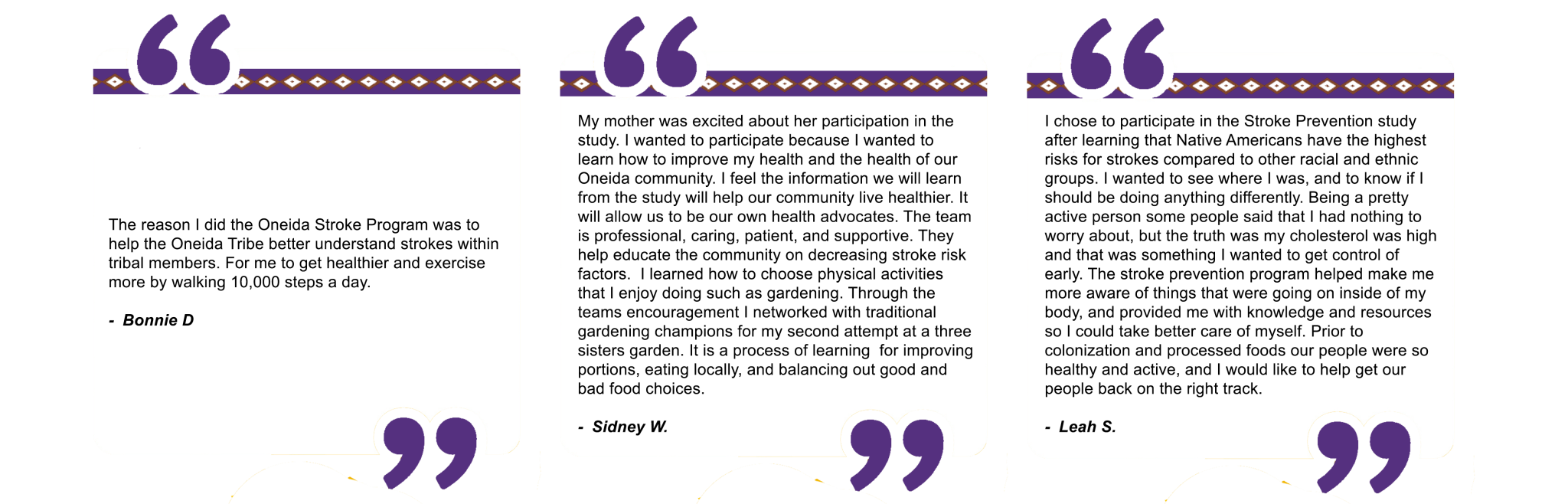
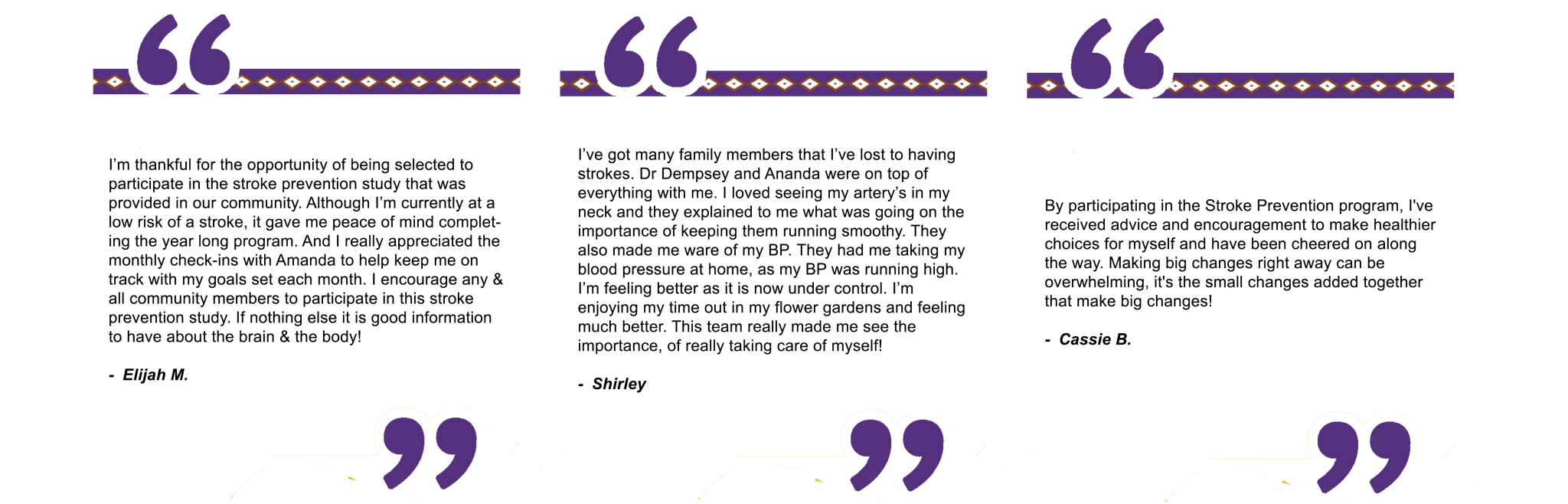
Testimonials
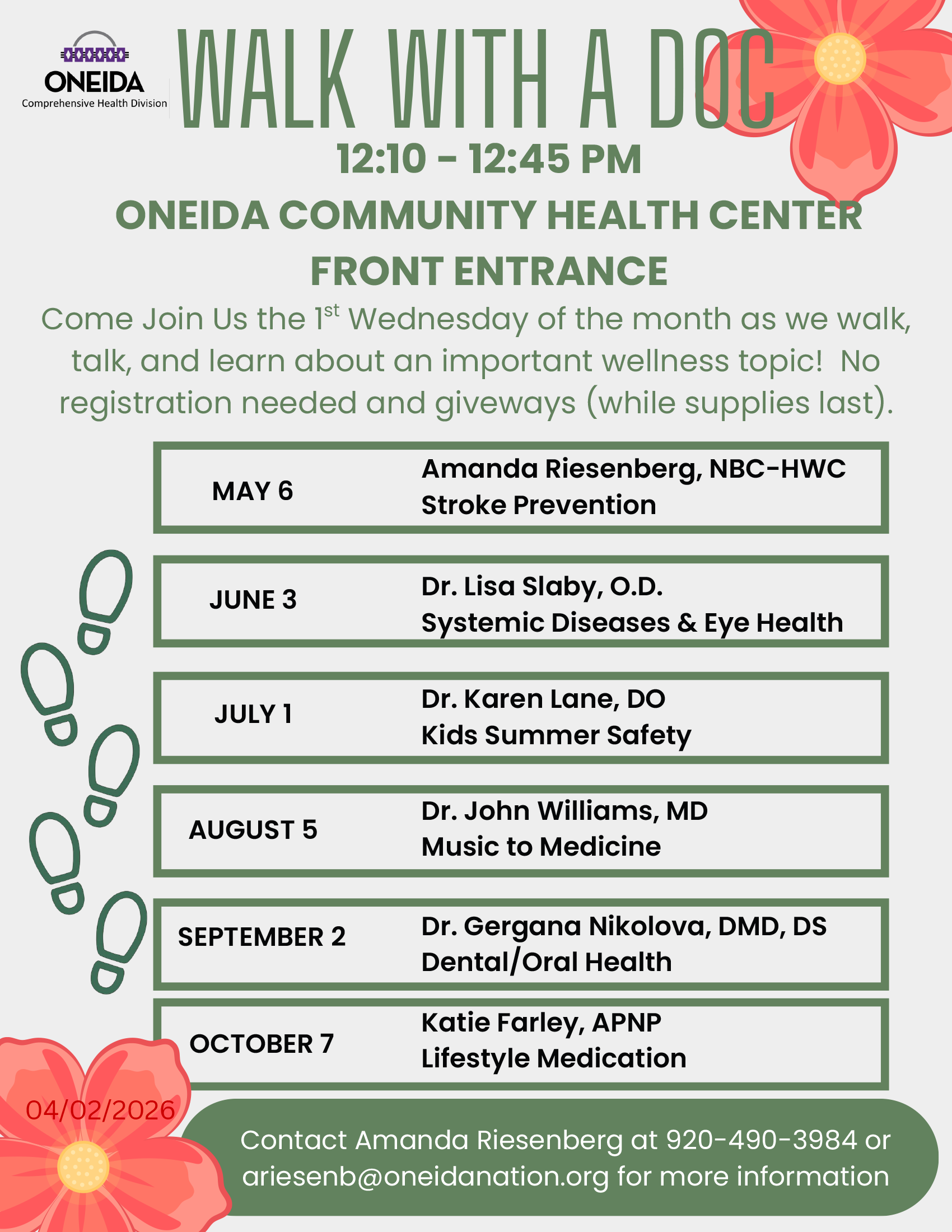
Events
 Community Events
 Educational Events
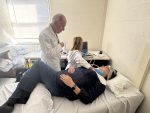 Stroke Study Activities
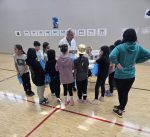 Youth Activities
Student Opportunities
A blurb will go here about the opportunity to shadow and the benefits of shadowing.
For more information:
Melissa Metoxen, MS – NACHP Assistant Director
mfmetoxen@wisc.edu
(920) 869-4990