
Introduction VideoBusiness Committee Representatives |
Welcome to the Onʌyoteʔaꞏká niʔ i Project
The Onʌyoteʔaꞏká niʔ i Project (I Am Oneida Project) is a community-driven initiative focused on shaping the future of our Nation through thoughtful reflection and meaningful dialogue. At its heart, this project seeks to address the challenges and opportunities surrounding tribal enrollment and identity—ensuring the long-term sustainability of the Oneida Nation.
Through a series of in-person and online engagement opportunities, we invite all Tribal members, descendants, and Oneida Nation community members to share their voices, experiences, and perspectives. Together, we are building a foundation for future generations rooted in cultural pride, community connection, and collective responsibility.
The project’s intention is to engage Tribal members, descendants, and community members in shaping the future of Oneida Nation enrollment through education, dialogue, and collective action.
Upcoming Events
The Upcoming Events section will highlight opportunities for Tribal members, descendants, and community members to participate in future gatherings, discussions, and educational sessions related to the I am Oneida Project.
Whether in-person or virtual, these events will offer space for learning, sharing, and contributing to the future of the Oneida Nation.
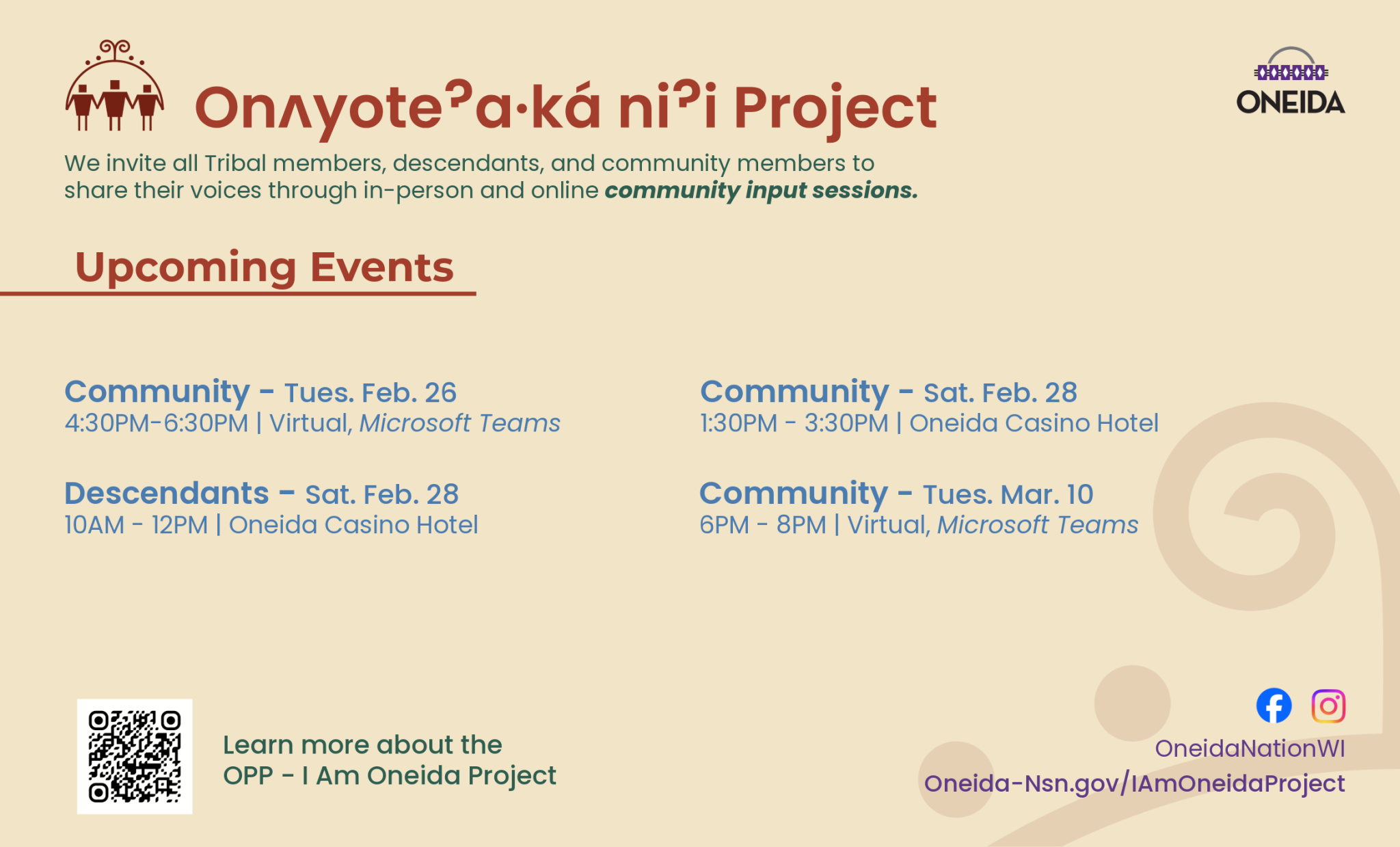
To register for the February 26 Virtual Community Input Session, click the link here: https://events.teams.microsoft.com/event/14a4bcd0-bba9-4b25-91e8-ba139bb23e26@c7e7a097-30aa-485e-a37b-537c20f88623
To attend the 10 AM Session on February 28th virtually, click the link here: https://events.teams.microsoft.com/event/5bcd5bcb-138c-4fac-bbd1-aaa4abbcb920@c7e7a097-30aa-485e-a37b-537c20f88623
To attend the 1:30 PM Session on February 28th virtually, click the link here: https://events.teams.microsoft.com/event/266978b4-e5a5-4d18-ba9d-a0a66e192417@c7e7a097-30aa-485e-a37b-537c20f88623
The February 10th Virtual Community Input Session has been rescheduled for March 10th. To register for the March 10 Virtual Community Input Session, click the link here: https://events.teams.microsoft.com/event/430e246f-78da-418b-a6f5-0c24f573d70a@c7e7a097-30aa-485e-a37b-537c20f88623
These are the questions we’re exploring together for Phase 2 of the I Am Oneida Project. We invite you to share your thoughts and help us create a future that honors who we are.

Project Timeline
Phase 1 (Completed)
2023
Semi Annual GTC meeting
Stakeholder Summits
Community Sessions (Virtual & In-Person)
Early 2024
Annual GTC meeting
Approval to Proceed from GTC
2024
OPP Standing Committee implemented and work begins
Phase 2 (In progress)
Early 2025
Update at Annual GTC Meeting
Begin stakeholder data collection
Assessments begin
2025
Update at Semi Annual GTC Meeting
Continued stakeholder data collection
Preliminary solutions
Early 2026
Update at Annual GTC Meeting
Begin solution development process
Continued stakeholder data collection
Phase 3
2026
Update at Semi Annual GTC Meeting
Solution(s) are presented for approval at GTC Special Meeting
Early 2027
Transition into approved solution(s) begins
2027
Solution(s) Implementation
Project Guide
Coming Soon
This section will provide answers to frequently asked questions about the I am Oneida Project, tribal enrollment, and the role of the Onʌyoteʔa·ká· niʔi· Standing Committee. It will also include a glossary of key terms—such as blood quantum, eligibility, sovereignty, and more—to help make the project’s language and concepts accessible to all.
Whether you’re new to these conversations or looking for deeper understanding, this resource will help clarify the purpose, process, and impact of the project.
Check back soon for updates as we build this space to support informed and meaningful engagement. For now, here are some key terms to be familiar with.
- Blood Quantum – A measurement of ancestry used by some Tribes to determine enrollment eligibility
- Eligibility – Criteria for becoming an enrolled Tribal member
- Sovereignty – The inherent right of Tribes to govern themselves
- Descendant – A person who is related to an enrolled member but may not meet eligibility requirements
- Constitution – The governing document of the Oneida Nation
Onʌyoteʔaꞏká niʔ i Standing Committee
The Onʌyoteʔa·ká· niʔi· Standing Committee, also known as the I Am Oneida Standing Committee, was created to support the implementation of the I am Oneida Project Plan. Its responsibilities include:
- Sharing accurate and timely enrollment data and projections with the community.
- Acting as a communication bridge between the community, the General Tribal Council, and the Oneida Business Committee.
- Ensuring the Nation’s Vision and Mission are reflected in all project efforts.
- Creating outreach subcommittees to engage those impacted by enrollment policies.
The committee is composed of Oneida Nation members, including representatives from the Oneida Business Committee and appointed community members. Officers include a Chairperson and Vice-Chairperson, who oversee meetings, reporting, and outreach efforts.
Charter
The Charter was approved by the Oneida Business Committee on January 10, 2024.
Onʌyoteʔaꞏká niʔ i Standing Committee – Charter
Oneida Business Committee Representatives
Secretary
Lisa Liggins
920-869-4421
lliggins@oneidanation.org
Councilman
Jameson Wilson
920-869-4385
jwilson@oneidanation.org
Community Member Representatives & Term
| Ethel “Marie” Cornelius, Vice-Chair | December 31, 2027 |
| William Cornelius | December 31, 2027 |
| Katsitsiyo Danforth | December 31, 2027 |
| Gail Grissman | December 31, 2027 |
| Michelle Hill | December 31, 2027 |
| Anthony Konkol | December 31, 2027 |
| David Webster | December 31, 2027 |
| Laura Manthe | December 31, 2027 |
| Lawrence Roberts II | December 31, 2027 |
| Judith Sprangers | December 31, 2027 |
| Dwight Steffes | December 31, 2027 |
| Kirsten VanDyke | December 31, 2027 |
| Taryn Webster, Chair | December 31, 2027 |
Committee Member Introduction Videos
Taryn Webster
Taryn Webster, Chair of the Onʌyoteʔa·ká· niʔi· Standing Committee, shares her reasons for serving. Her focus is on ensuring sustainability for the next seven generations, providing accountability for our membership, and addressing challenges related to enrollment. Having grown up and worked within the community, Taryn brings valuable insight and a strong commitment to advancing initiatives that strengthen the future of the Oneida Nation.
Ethel “Marie” Cornelius
Ethel “Marie” Cornelius, Vice-Chair of the Onʌyoteʔa·ká· niʔi· Standing Committee, shares why she chose to serve. Marie emphasizes the importance of addressing enrollment challenges and ensuring sustainability for future generations. The committee’s goal is to gather community input, present recommendations, and support the General Tribal Council in making informed decisions. For Marie, being part of this historical process is critical to protecting the future of the Oneida Nation.
Katsitsiyo Danforth
Katsitsiyo Danforth, a member of the Bear Clan, serves on the Onʌyoteʔa·ká· niʔi· Standing Committee. Katsitsiyo shares her goal of utilizing all available resources to capture feedback from the membership and ensure their voices are heard. Her commitment is to engage with the community and help provide meaningful input to guide decisions that shape the future of the Oneida Nation.
Gail Grissman
Gail Grissman, whose great-grandparents were Cassie and Daniel Denny, has proudly served the Oneida Nation for over 29 years in Gaming and now volunteers at the Oneida Pantry. Gail shares why she joined the Onʌyoteʔa·ká· niʔi· Standing Committee. She believes there is an urgent need to update enrollment criteria and processes to ensure the legacy of the Oneida people endures for generations to come. Gail looks forward to hearing community feedback, opinions, and suggestions during upcoming meetings as part of this historic effort.
Michelle Hill
Michelle Hill, a member of the Bear Clan, was born and raised in Oneida and attended the Oneida Tribal School. She shares her deep connection to the community and her passion for language, culture, and enrollment issues. Michelle’s grandparents, Beus and Herold King, and her maternal grandparents, Lella and Howard Elm, inspired her interest in preserving Oneida traditions. As a member of the Onʌyoteʔa·ká· niʔi· Standing Committee, Michelle is committed to listening, learning, and engaging with the community to help shape decisions that impact the future of the Oneida Nation.
Laura Manthe
Laura Manthe, a member of the Oneida Nation, joined the Onʌyoteʔa·ká· niʔi· Standing Committee to ensure tribal members have the education needed to make informed decisions about membership. Laura advocates for incorporating Oneida history lessons into this process, so decisions about who is considered a member are rooted in cultural and historical understanding. With family ties to both enrolled and descendant members, Laura emphasizes that all contribute to sustaining the Nation. She looks forward to engaging in conversations with the community and values every opinion as part of this important work.
Lawrence Roberts II
Lawrence “Larry” Roberts II is honored to serve on the Onʌyoteʔa·ká· niʔi· Standing Committee. As an attorney, Larry has dedicated his career to advancing tribal sovereignty, protecting treaty rights, restoring tribal homelands, and improving the lives of Native people. Larry is proud of his work strengthening the Indian Child Welfare Act, ensuring protections for Native children nationwide. He looks forward to hearing from the community and working to fulfill the General Tribal Council’s vision for the future of the Oneida Nation.
Judith Sprangers
Judith “Judy” Sprangers, a member of the Turtle Clan with lineage from the Metoxen, Pus, and Wheelock families, serves on the Onʌyoteʔa·ká· niʔi· Standing Committee. Judy shares her concerns about current enrollment guidelines and their impact on future generations. As a full-blood Oneida, she reflects on how quickly lineage can diminish under existing criteria and emphasizes the need for enrollment decisions to be guided by Oneida values—not outside standards. Judy looks forward to engaging in meaningful discussions and hearing community perspectives to help ensure the Nation continues to thrive for generations to come.
Dwight Steffes
Dwight Steffes serves on the Onʌyoteʔa·ká· niʔi· Standing Committee with a deep commitment to understanding and addressing the complexities of enrollment and identity. Born in Germany and raised in diverse communities, Dwight’s journey led him to question colonial narratives and explore what it truly means to be Indigenous. His research into blood quantum, linear descent, and citizenship began after attending community meetings and reading The Great Vanishing Act. Dwight is passionate about helping the Nation decolonize harmful systems and find consensus on defining membership, ensuring the Oneida Nation thrives for generations to come.
2025 Oneida History Summit
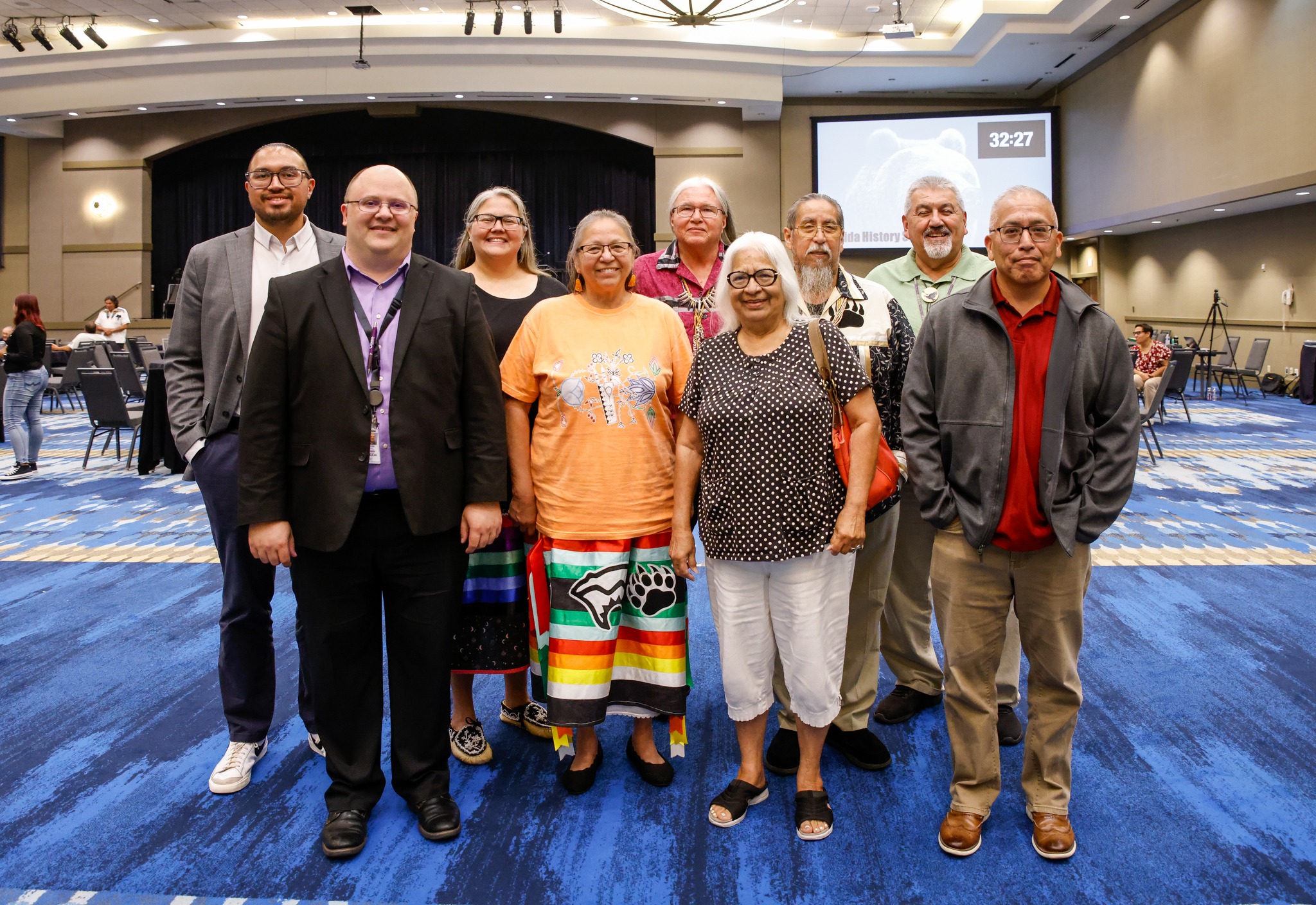
2025 Oneida History Summit: Enrollment Criteria
Occurred on July 25–26, 2025 at the Oneida Hotel
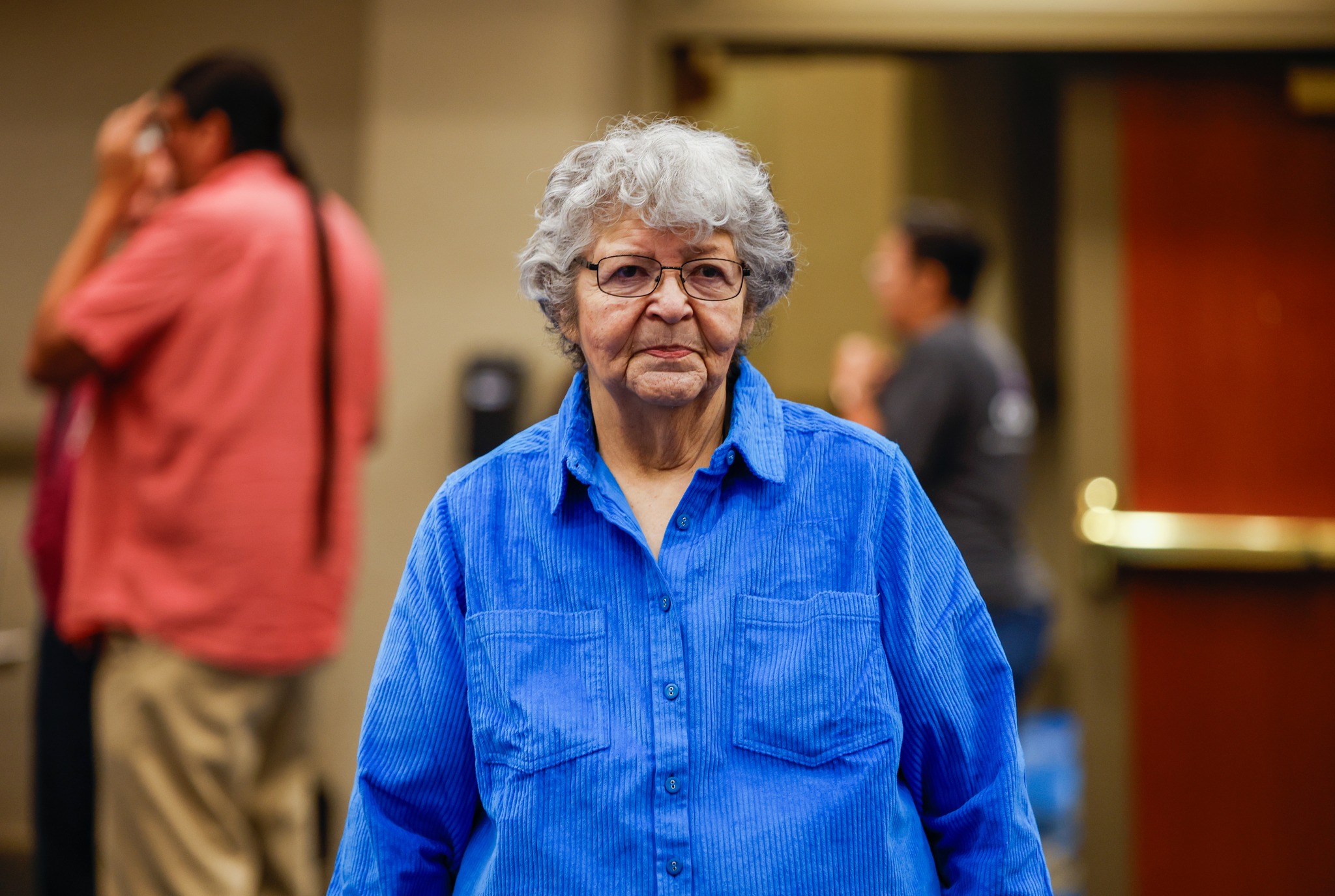
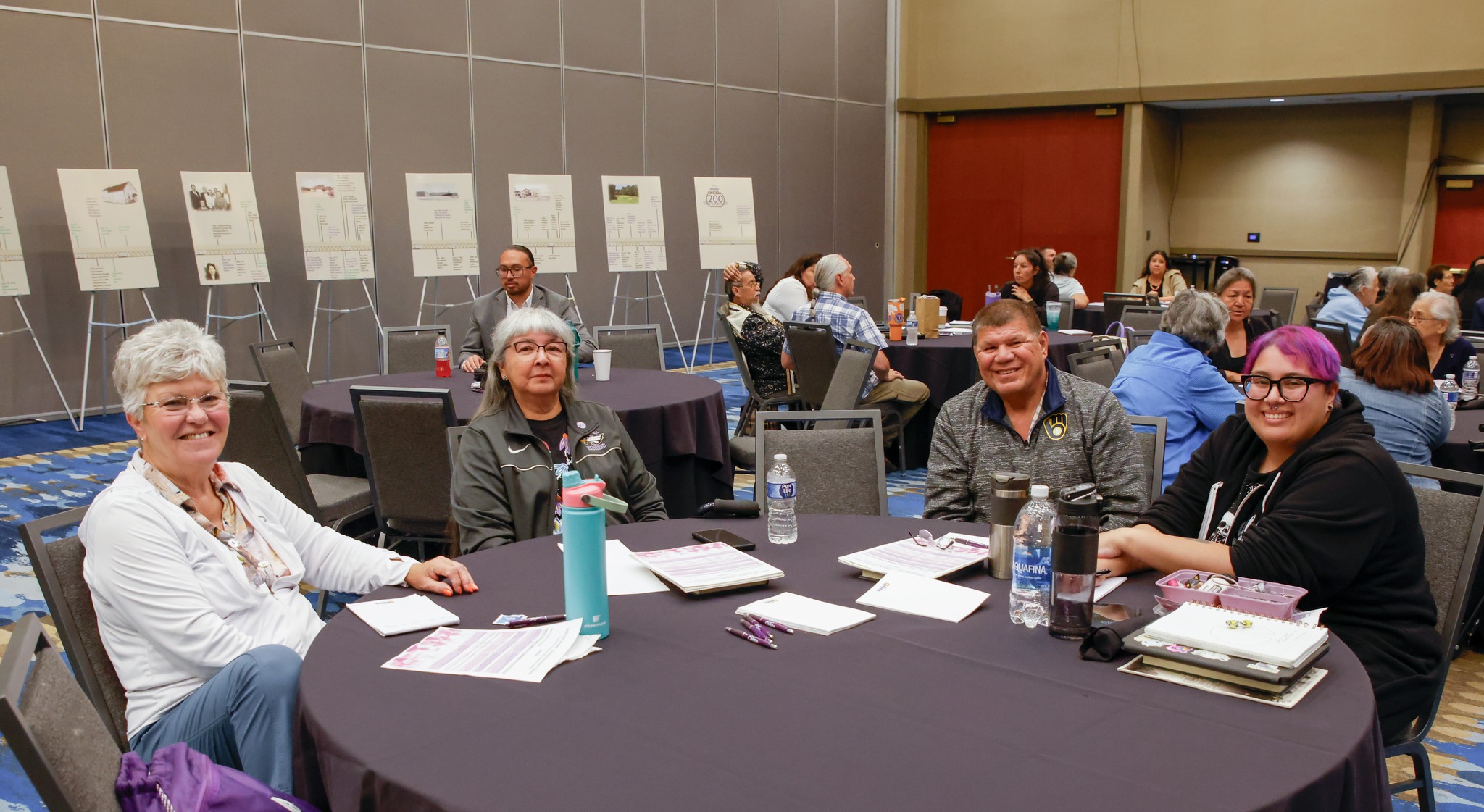
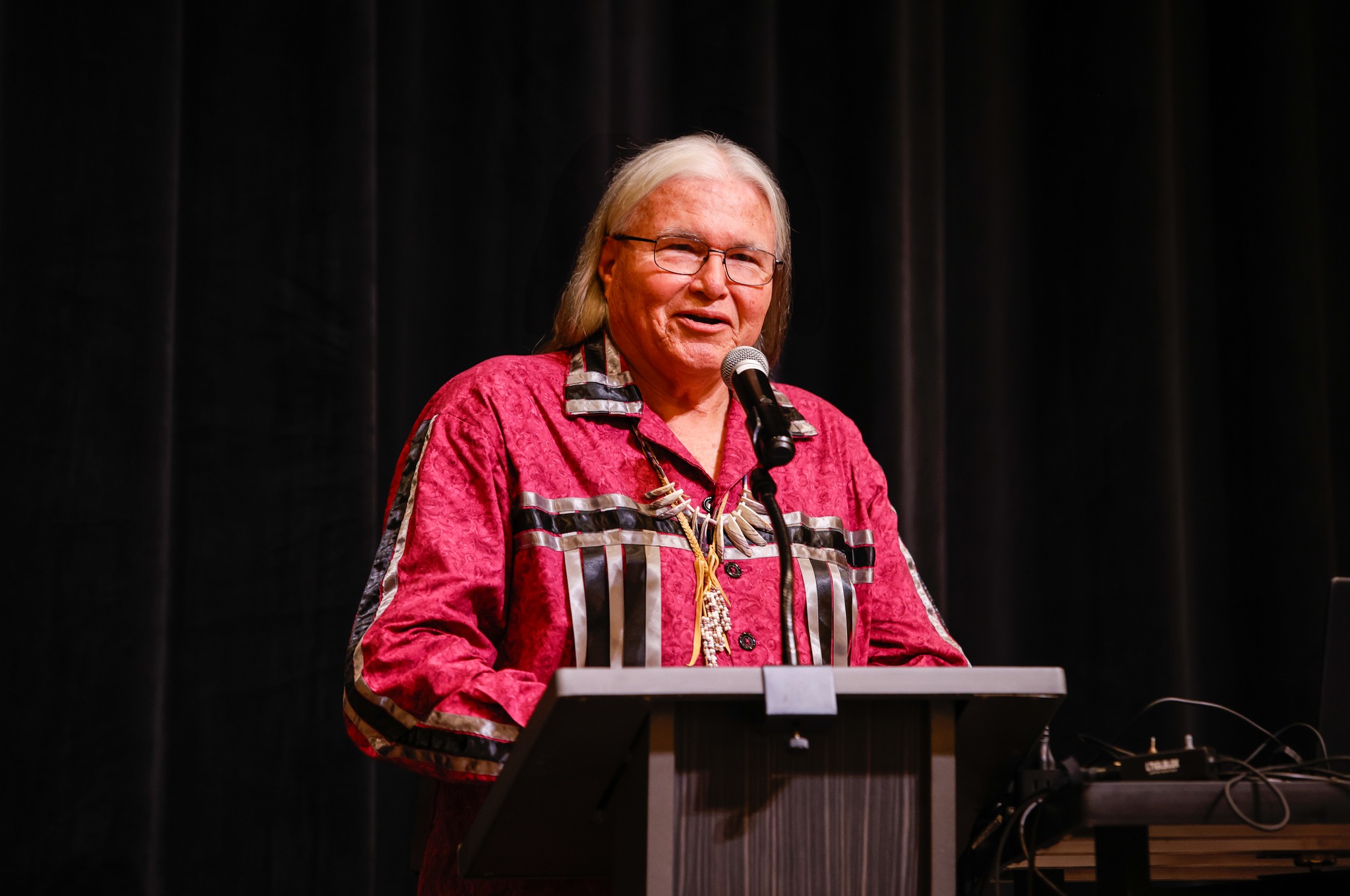
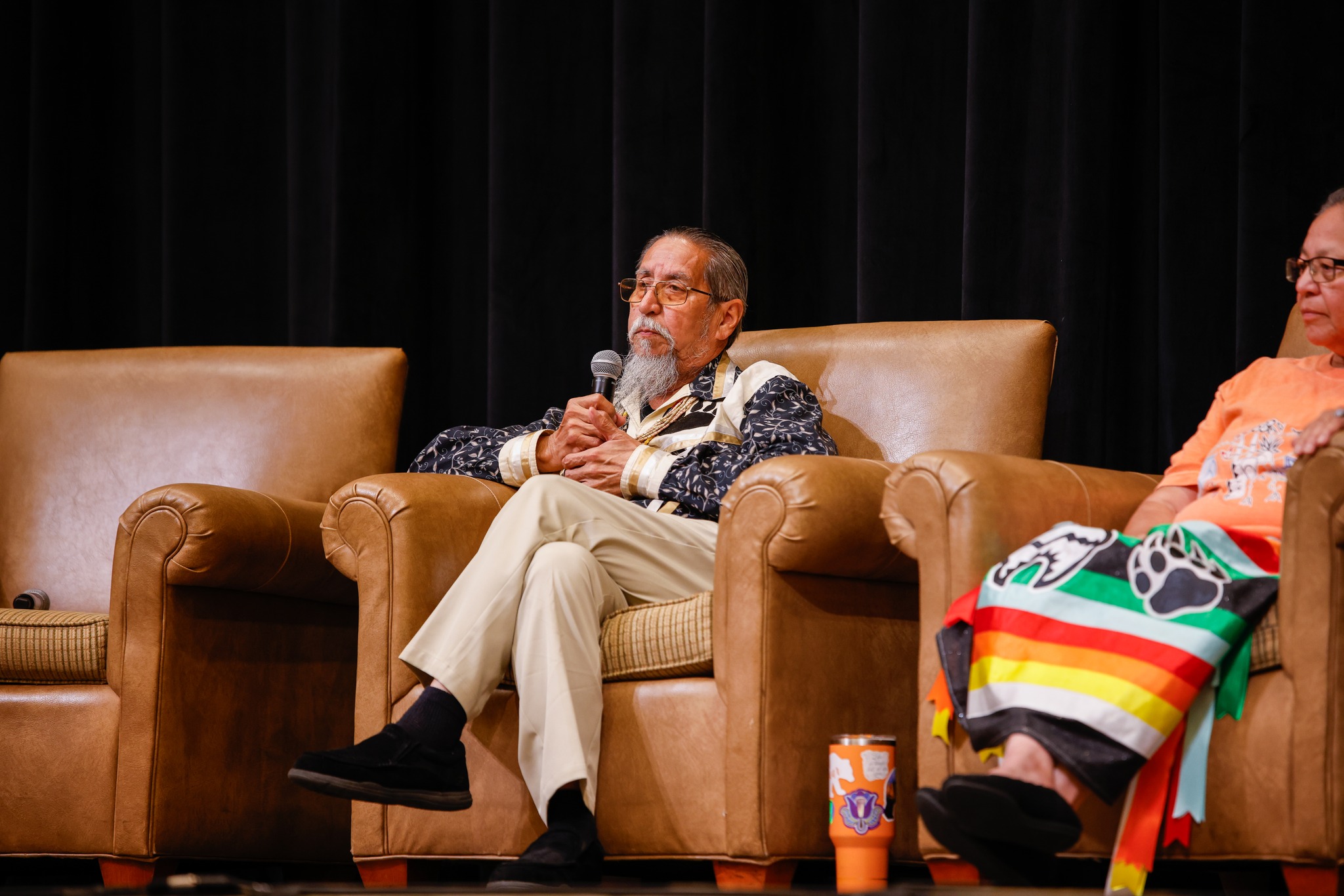
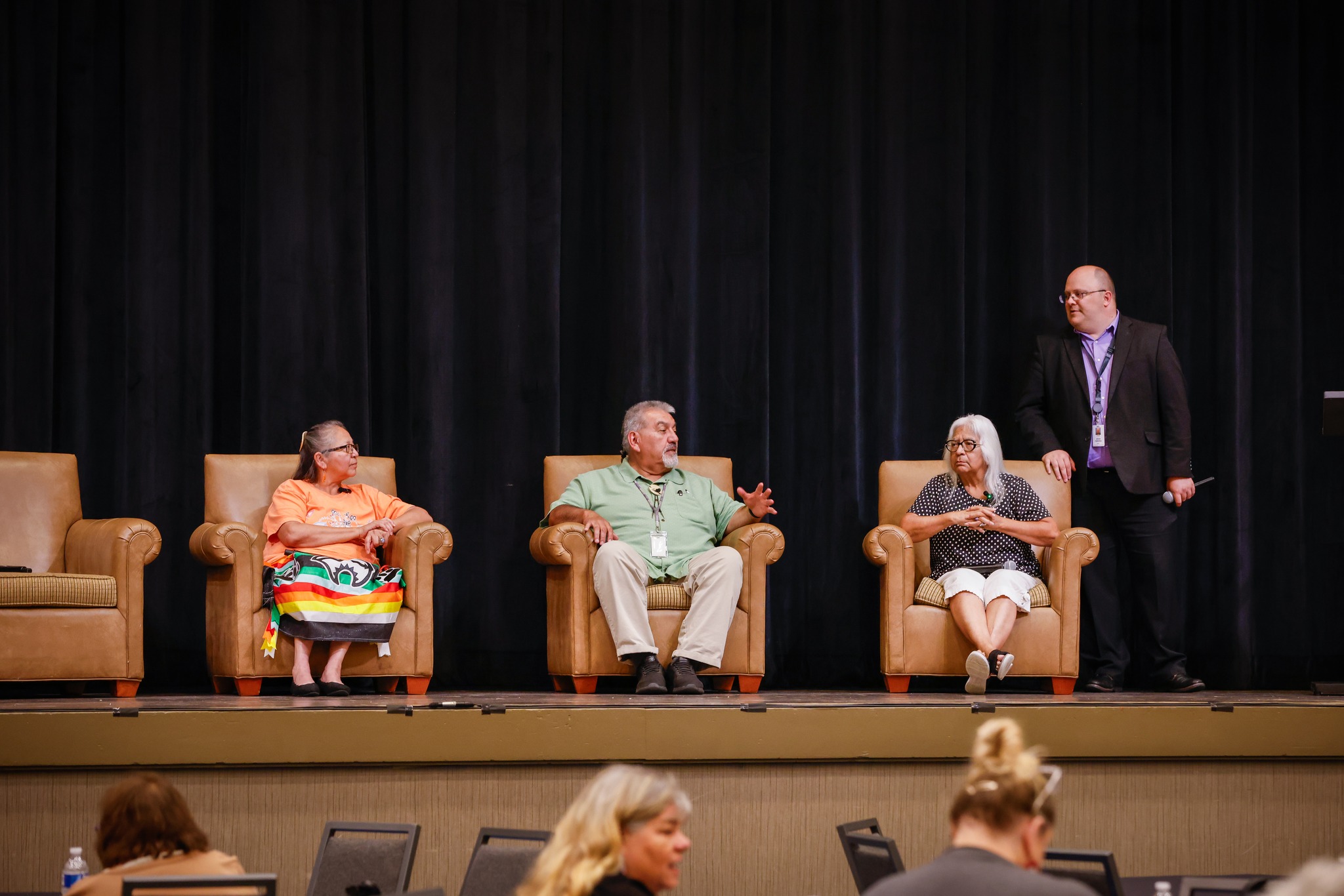
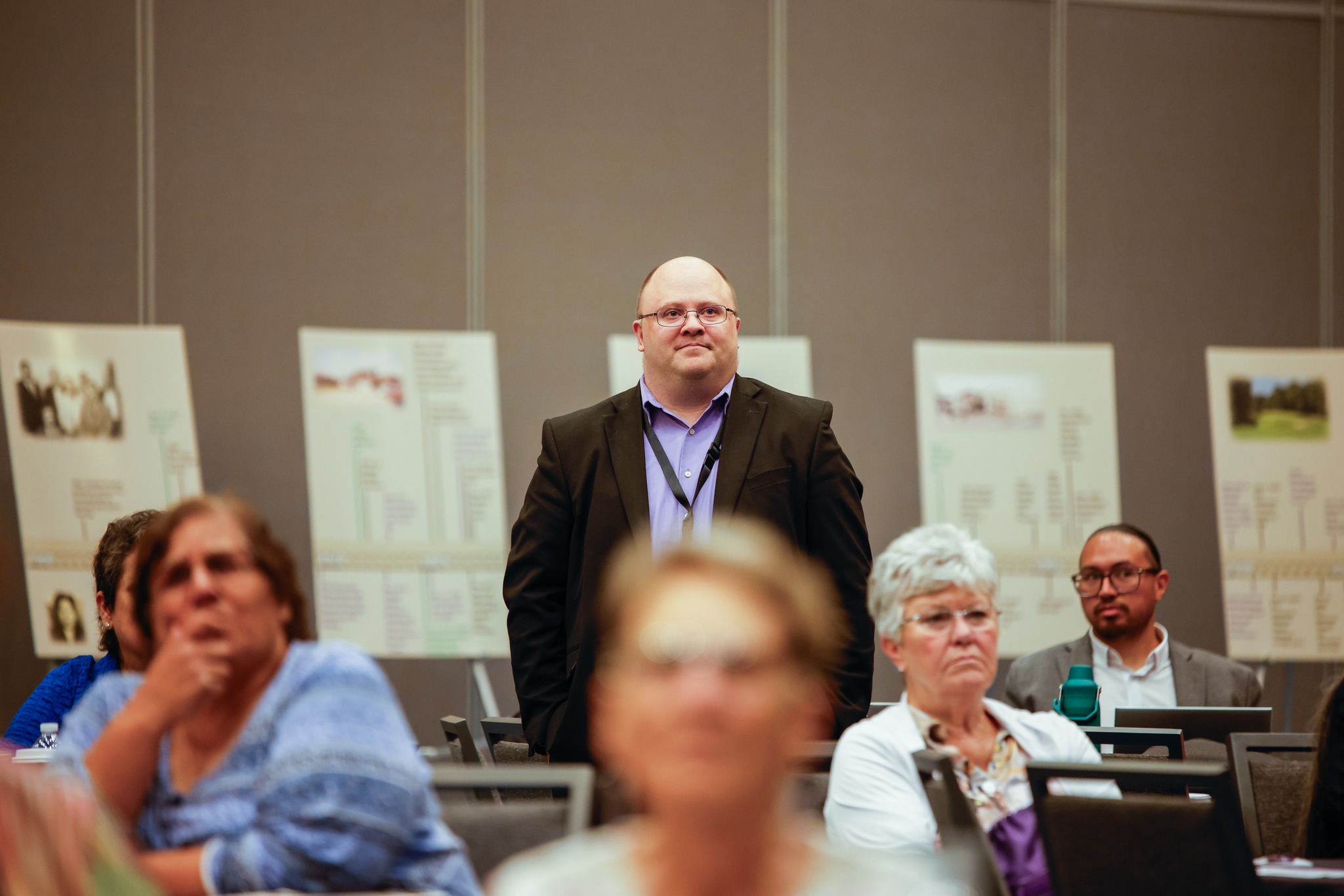
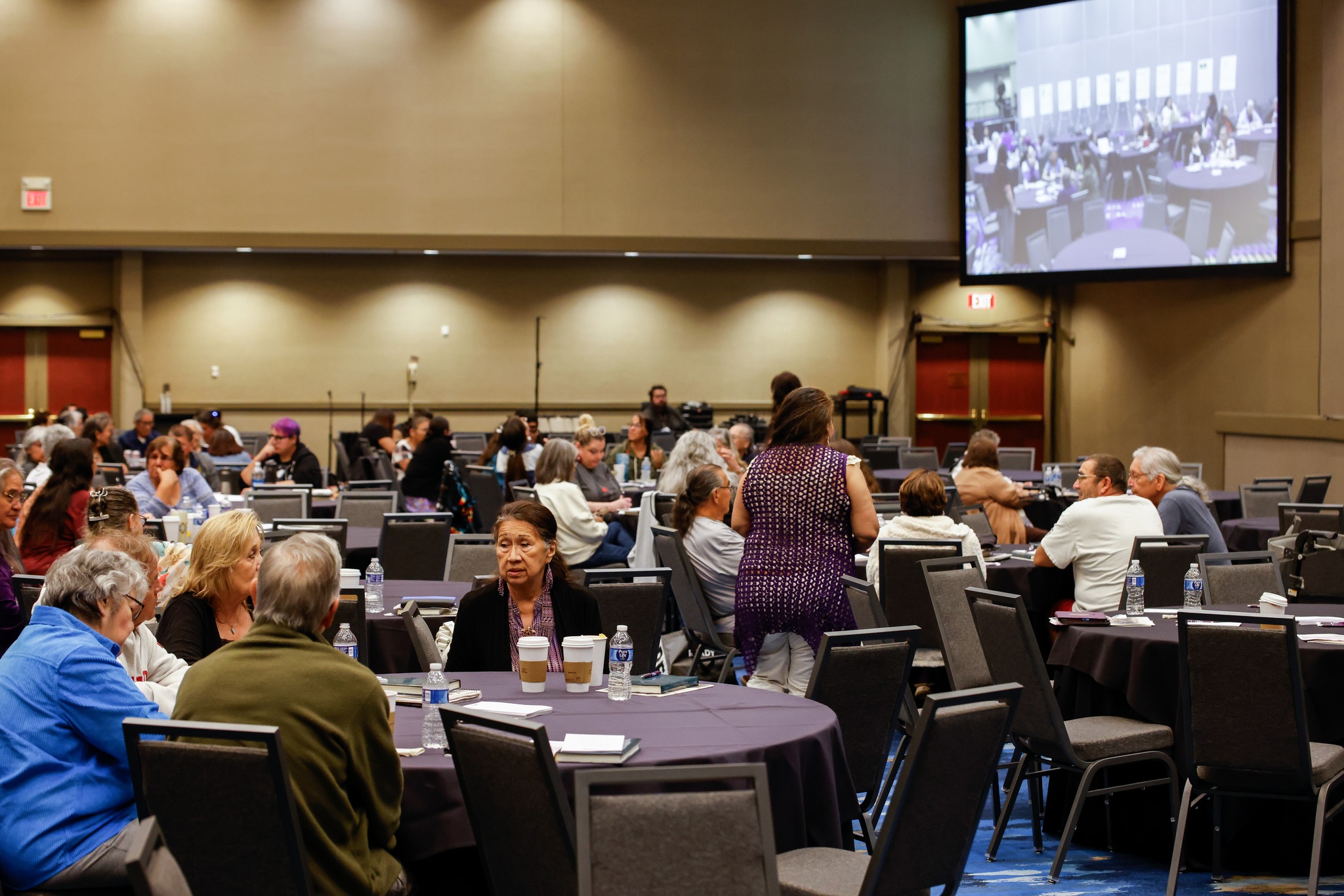
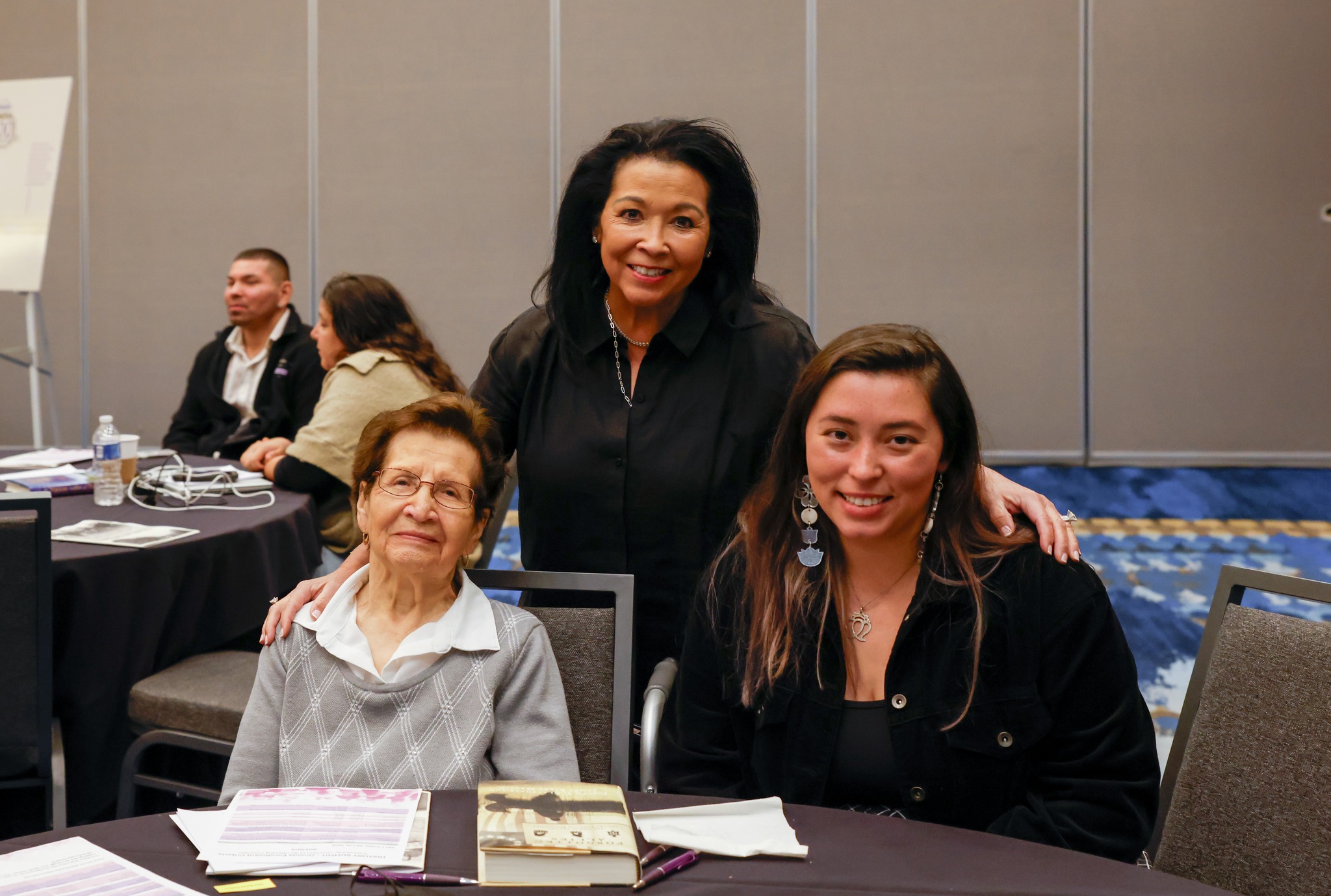
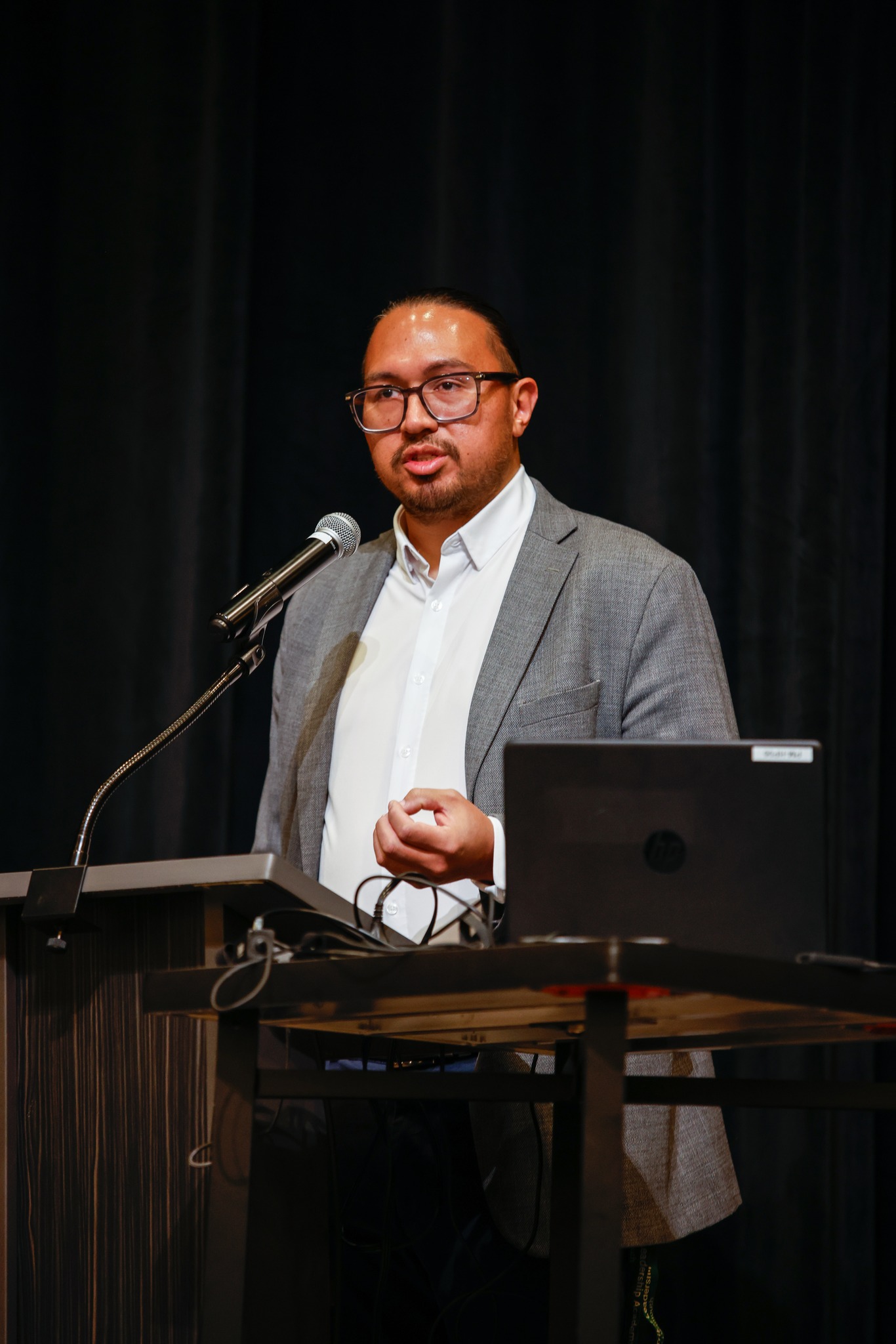
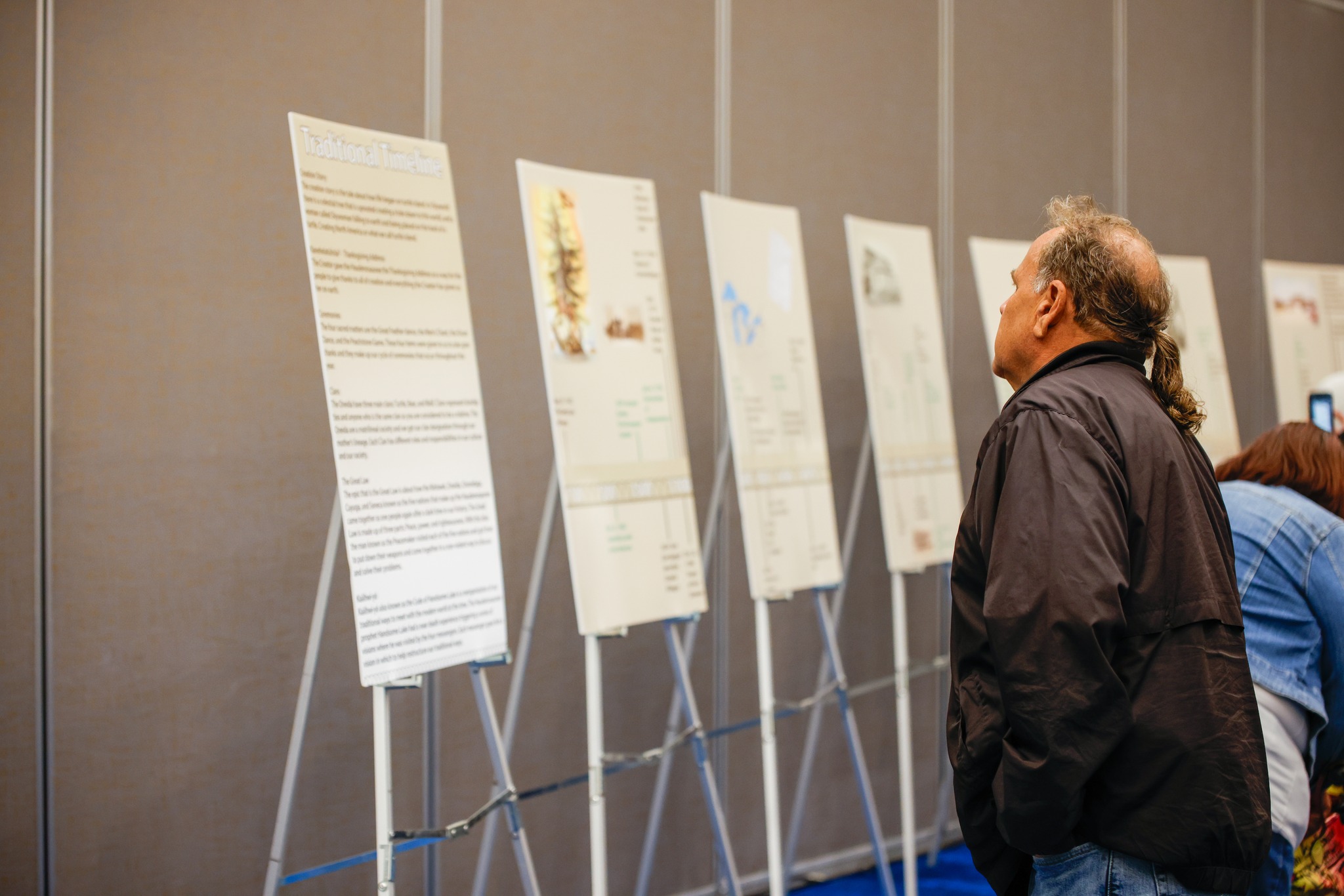
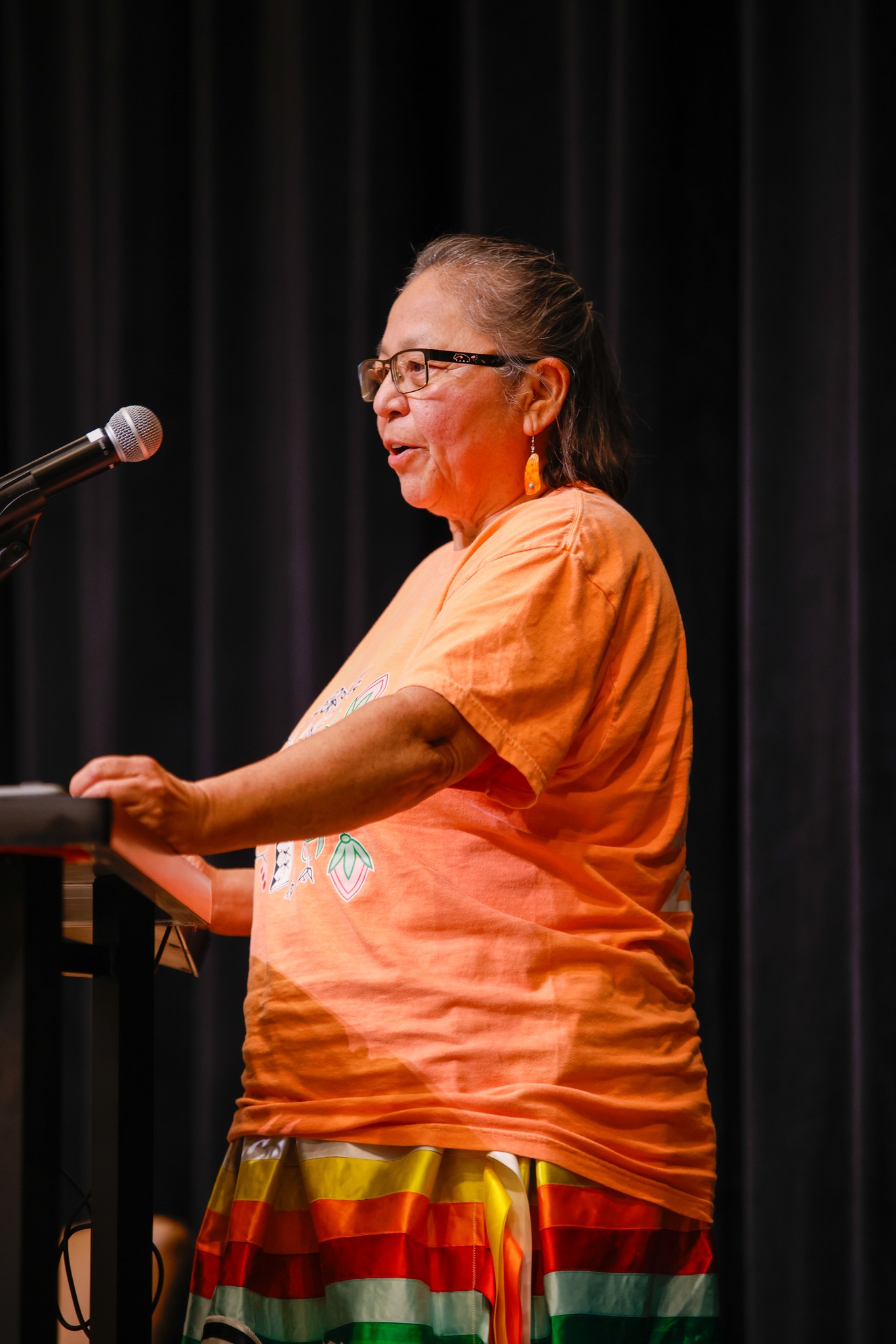
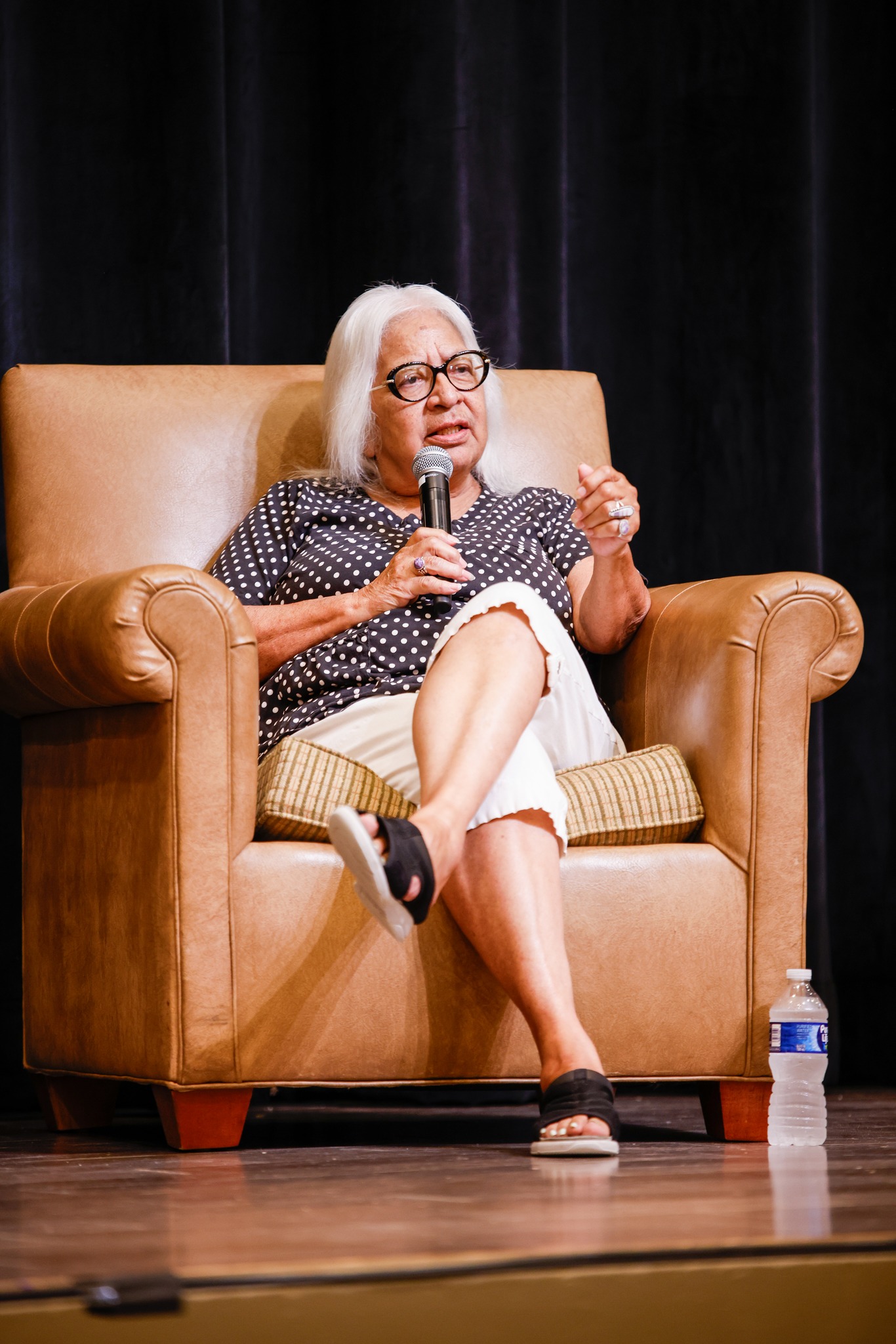
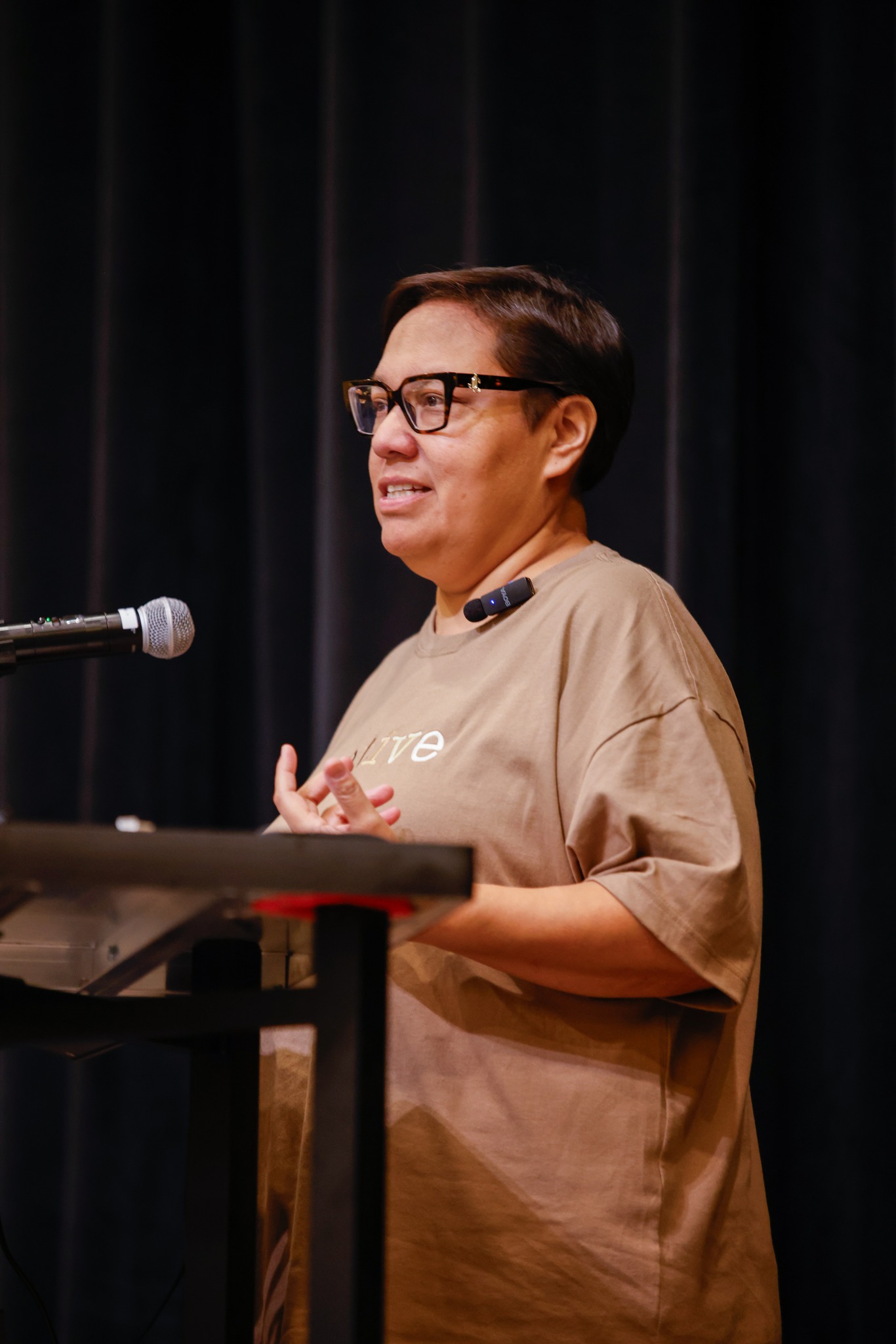
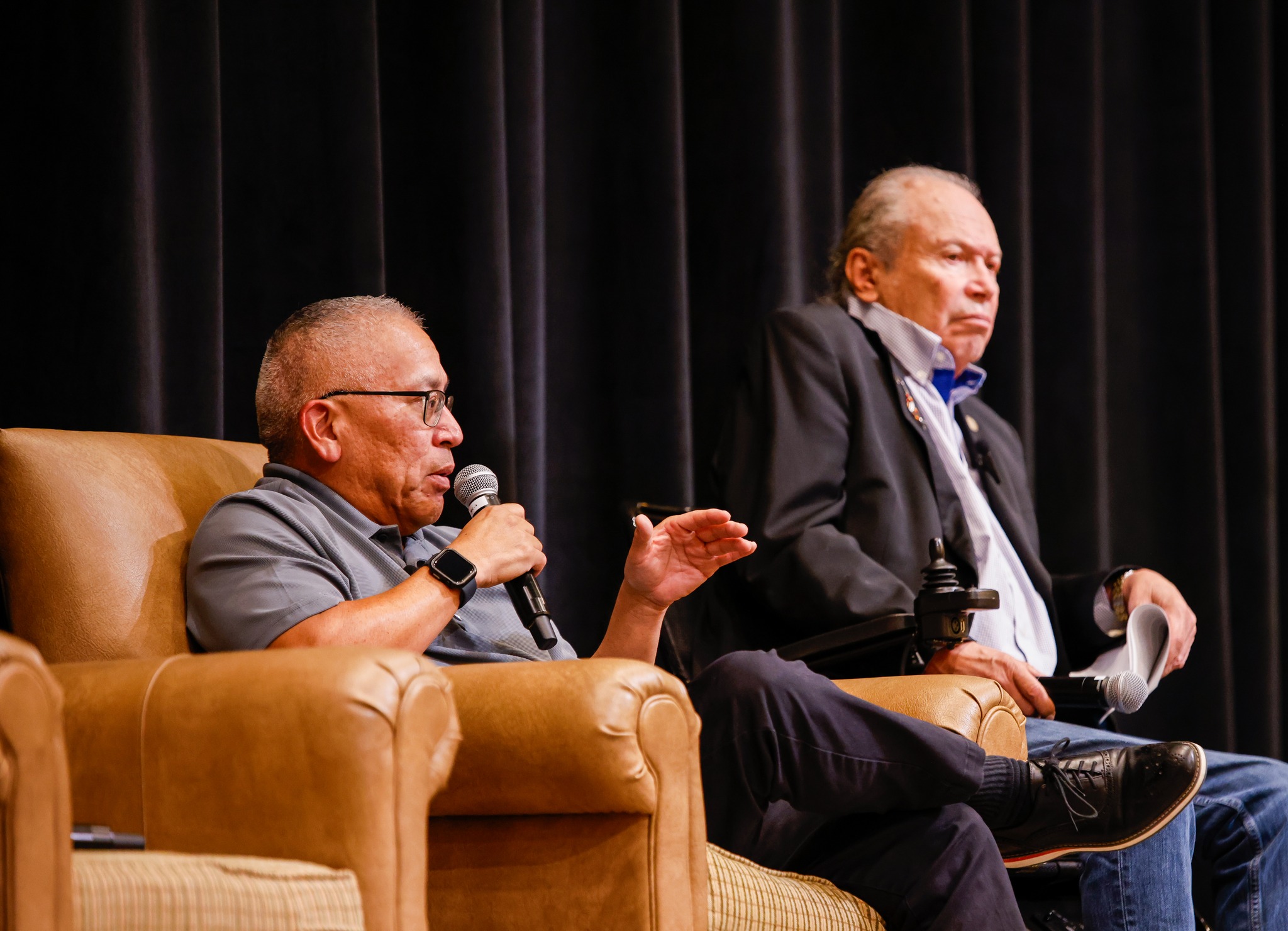
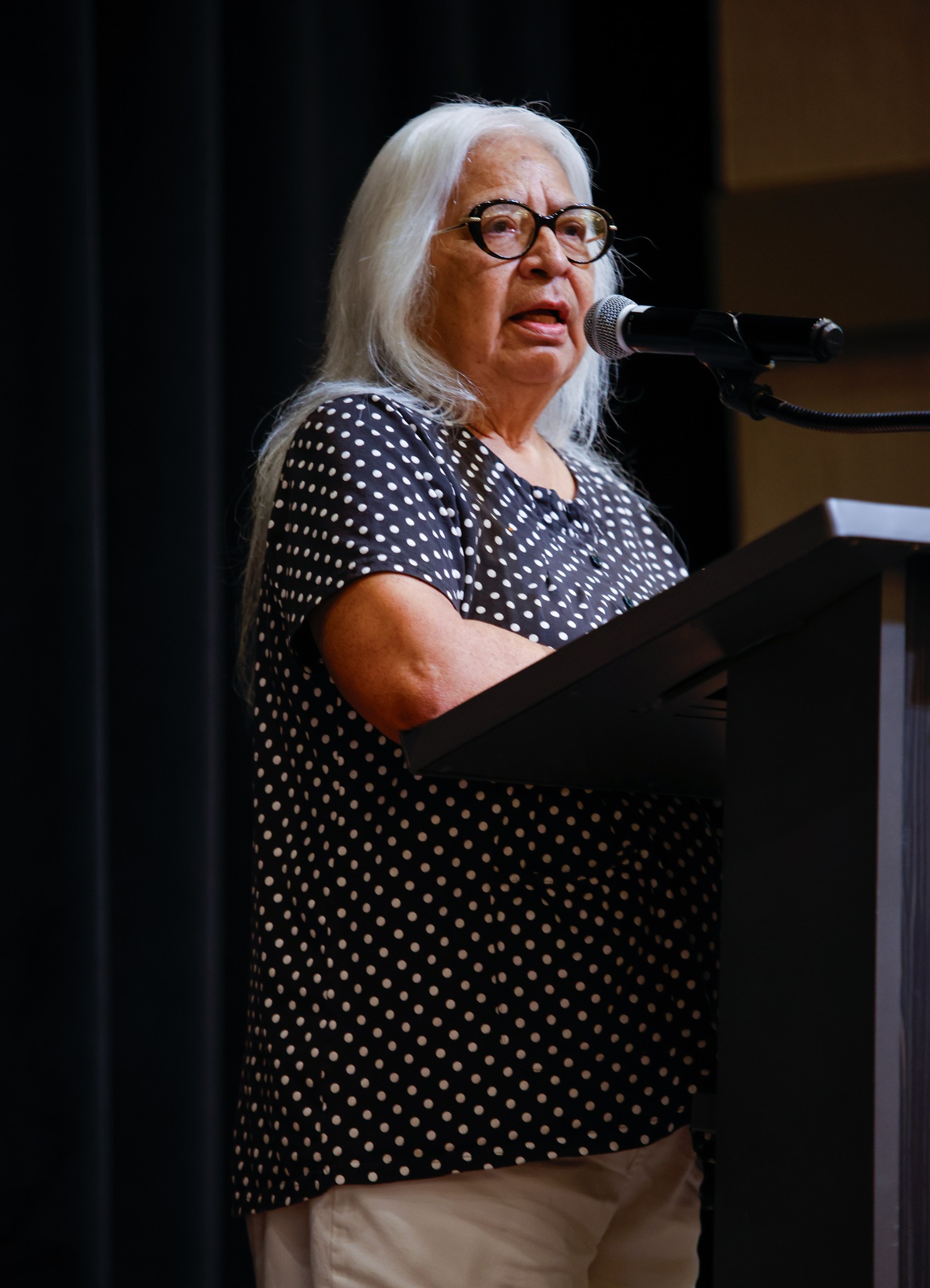
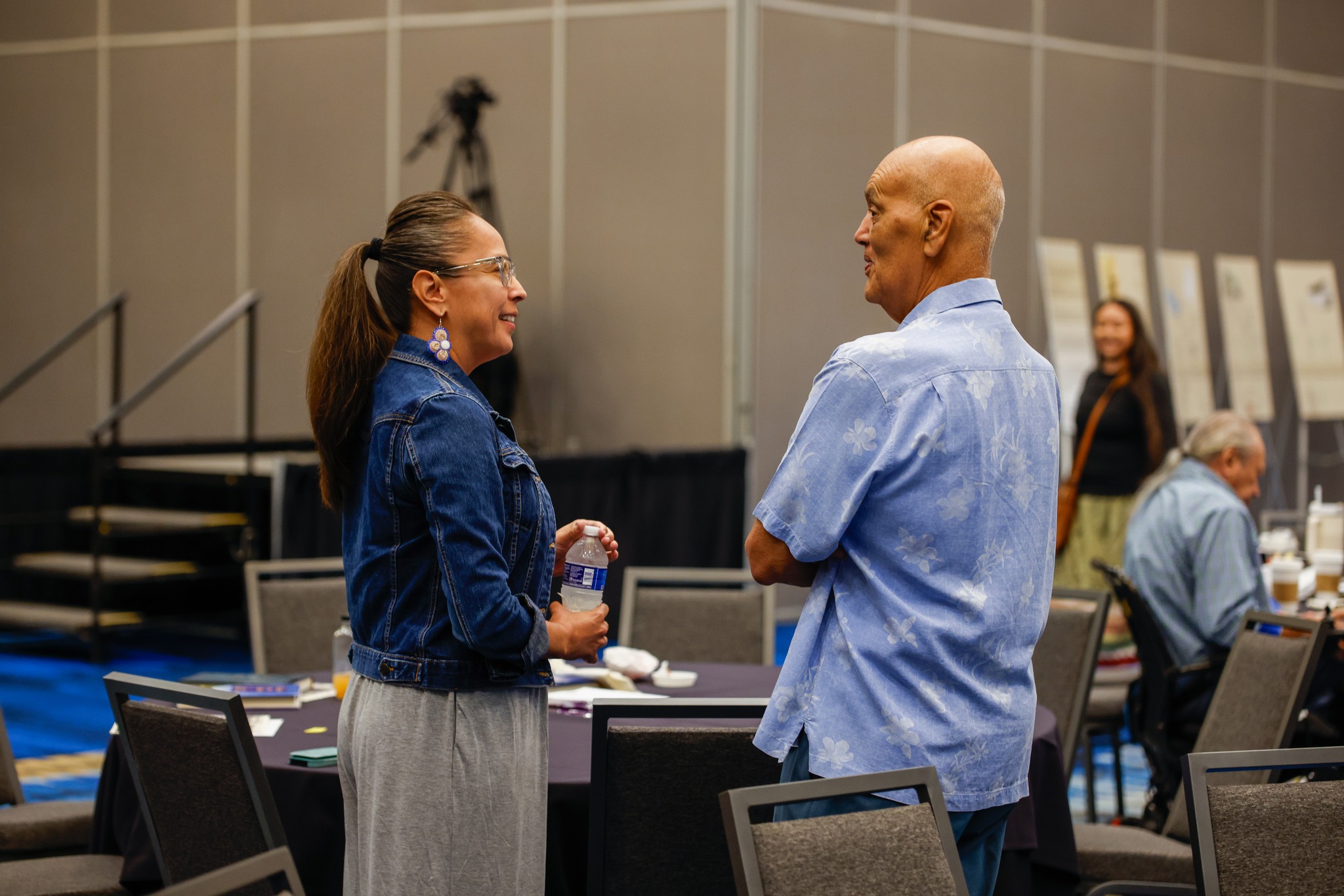
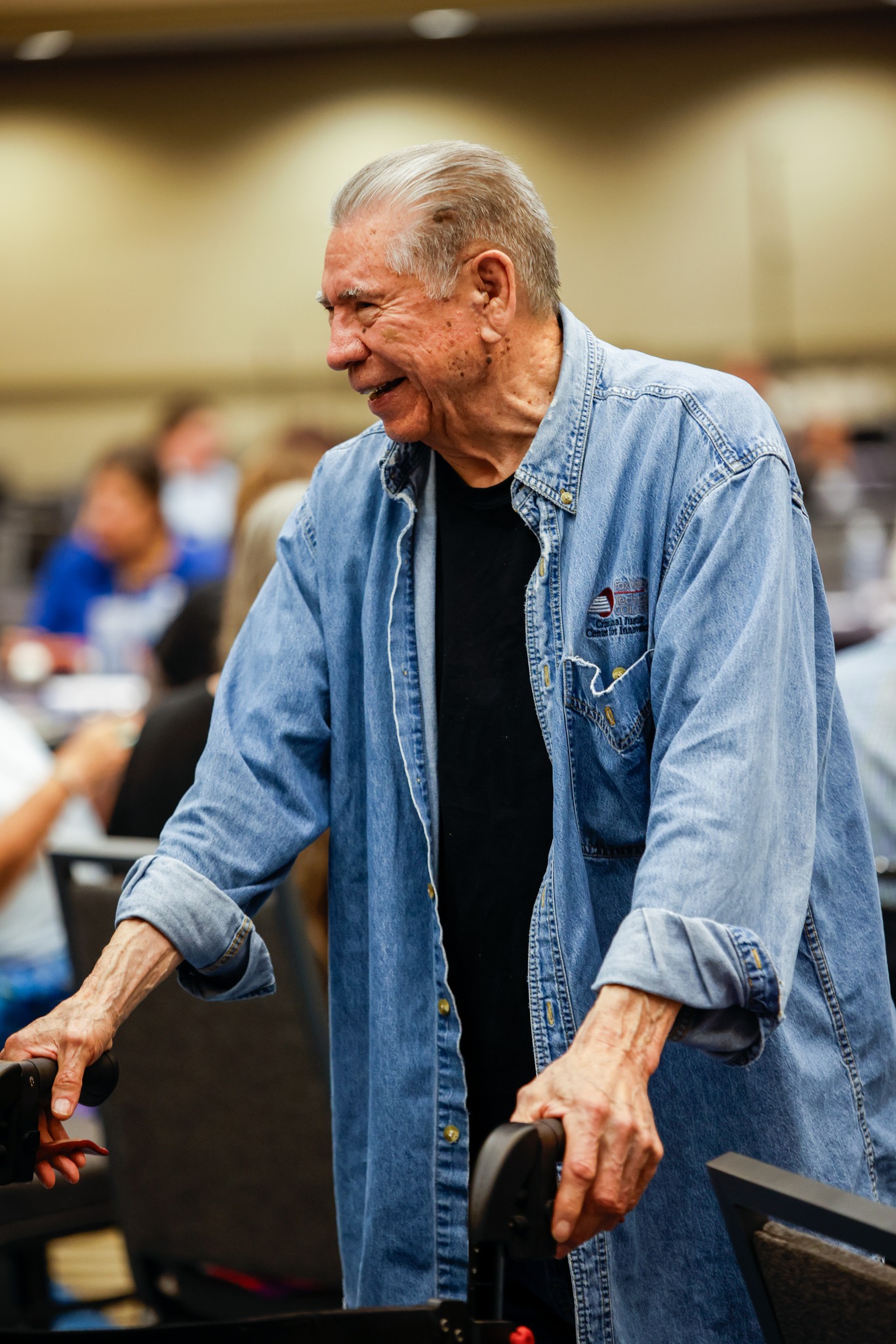
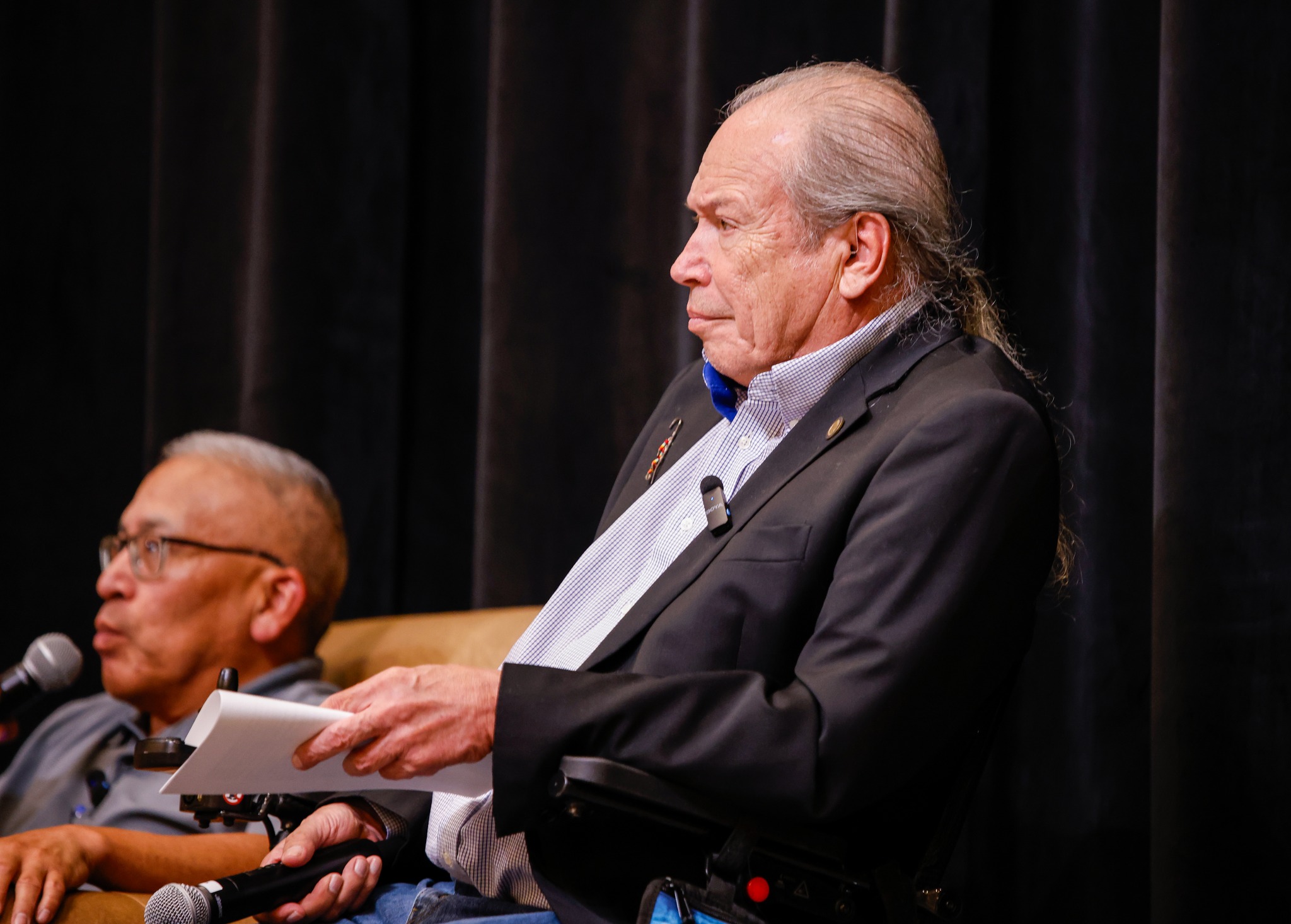
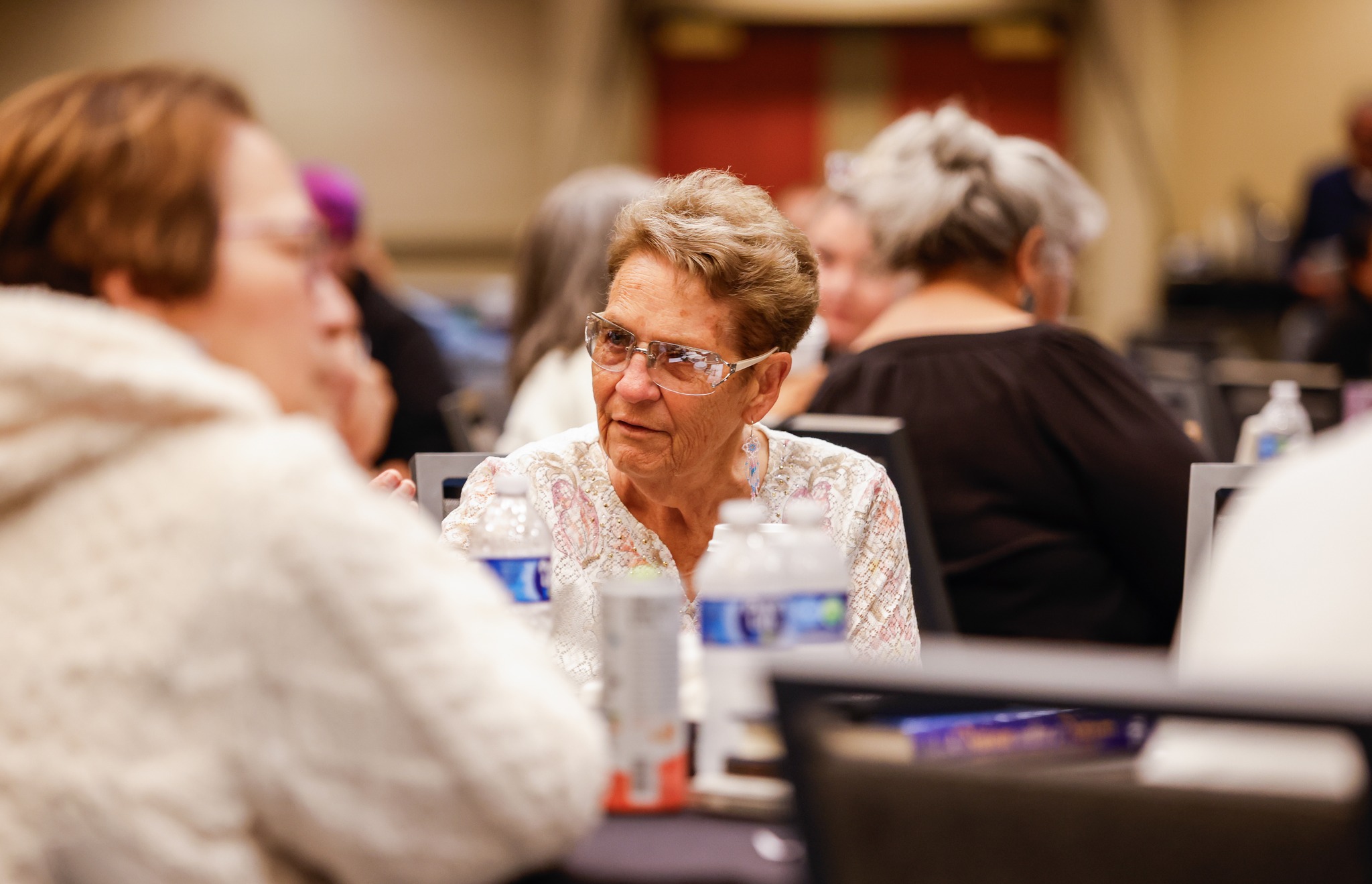
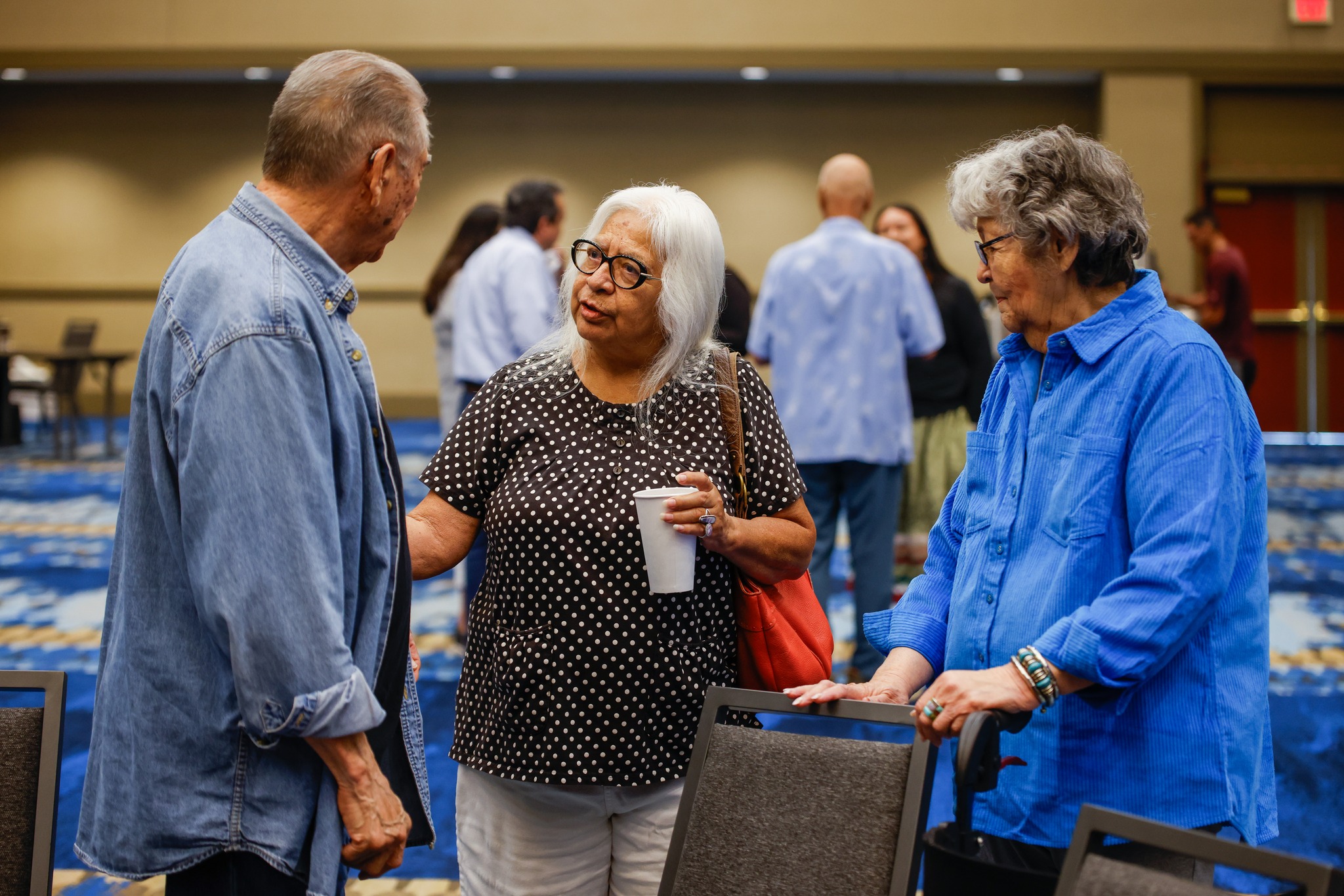
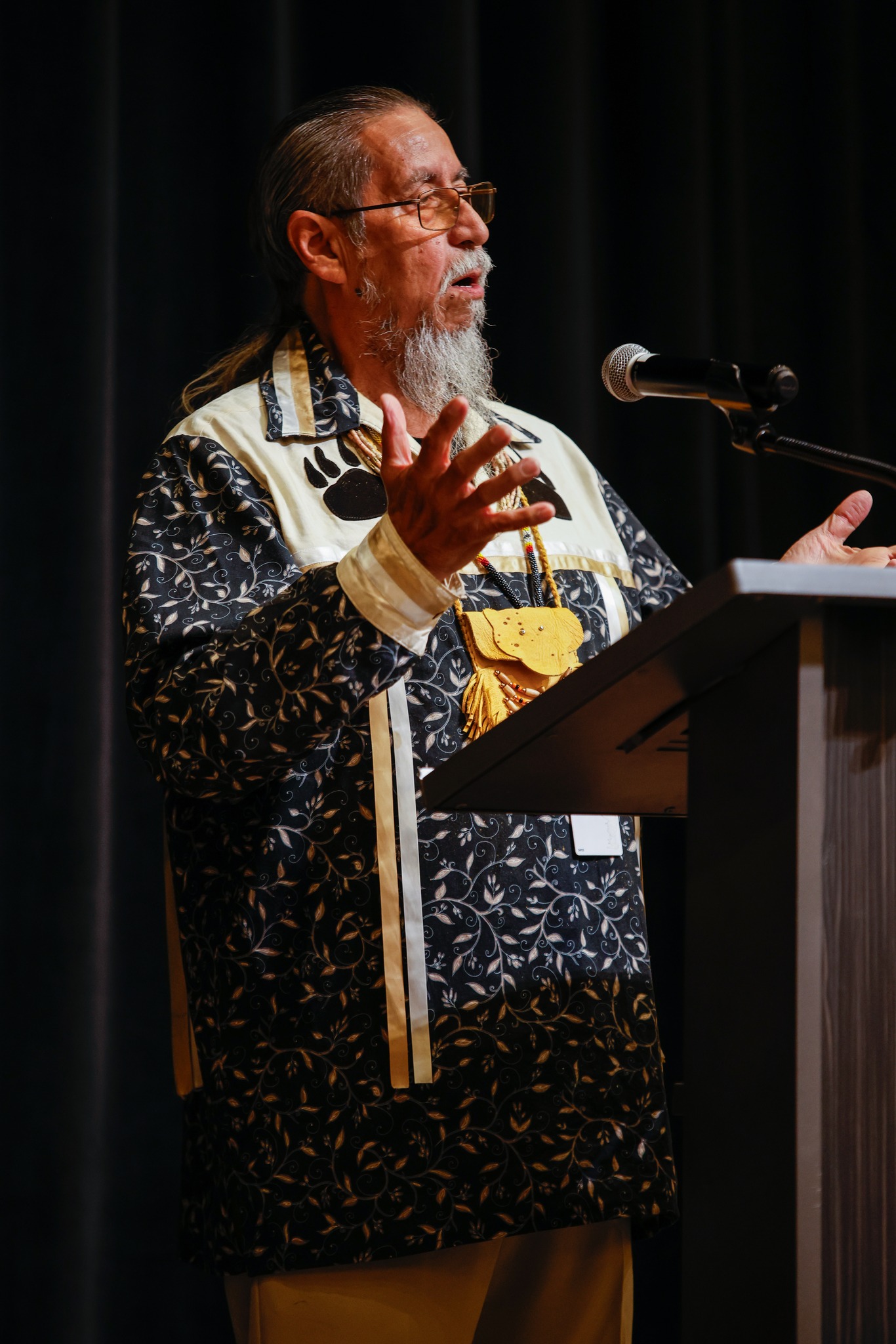
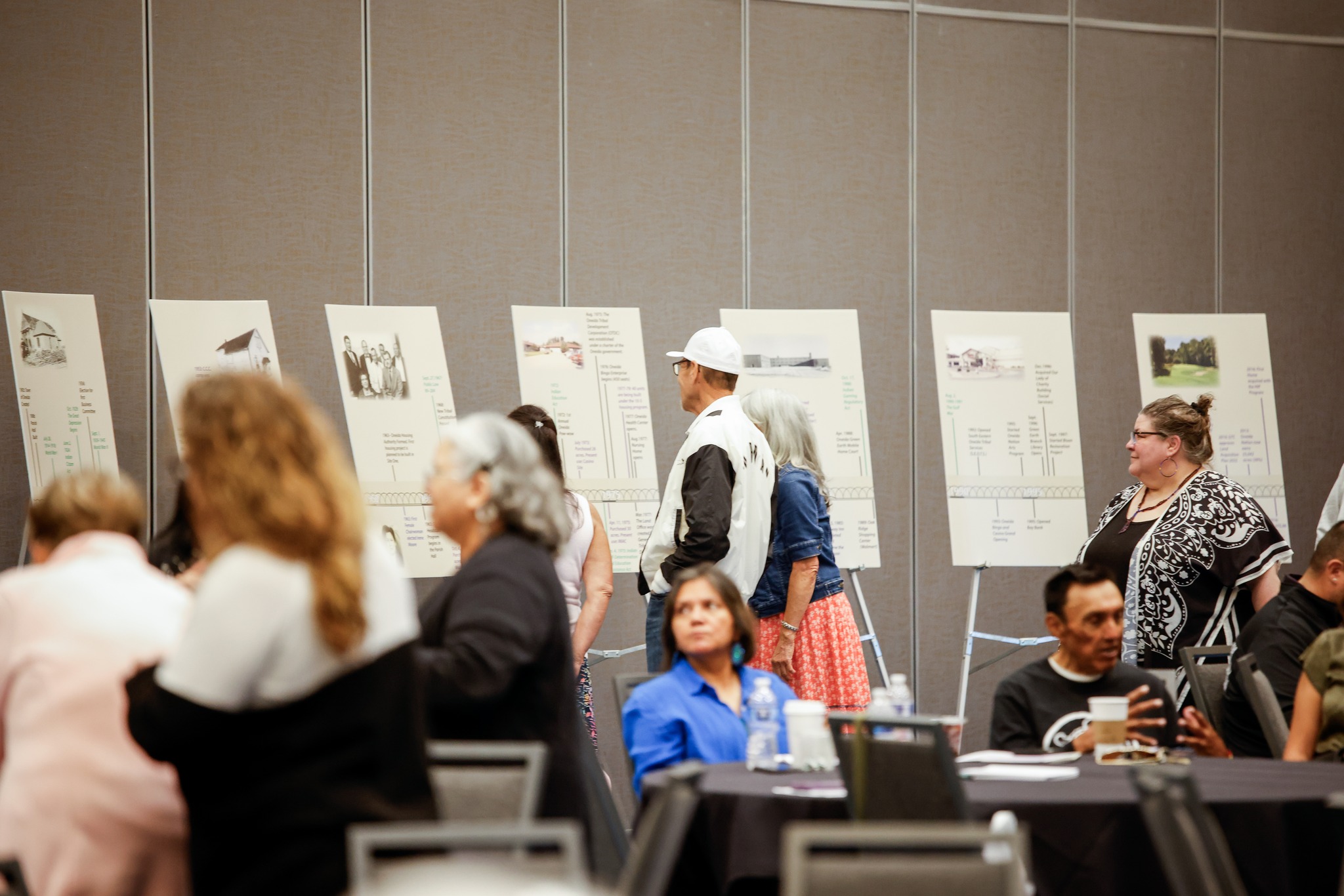
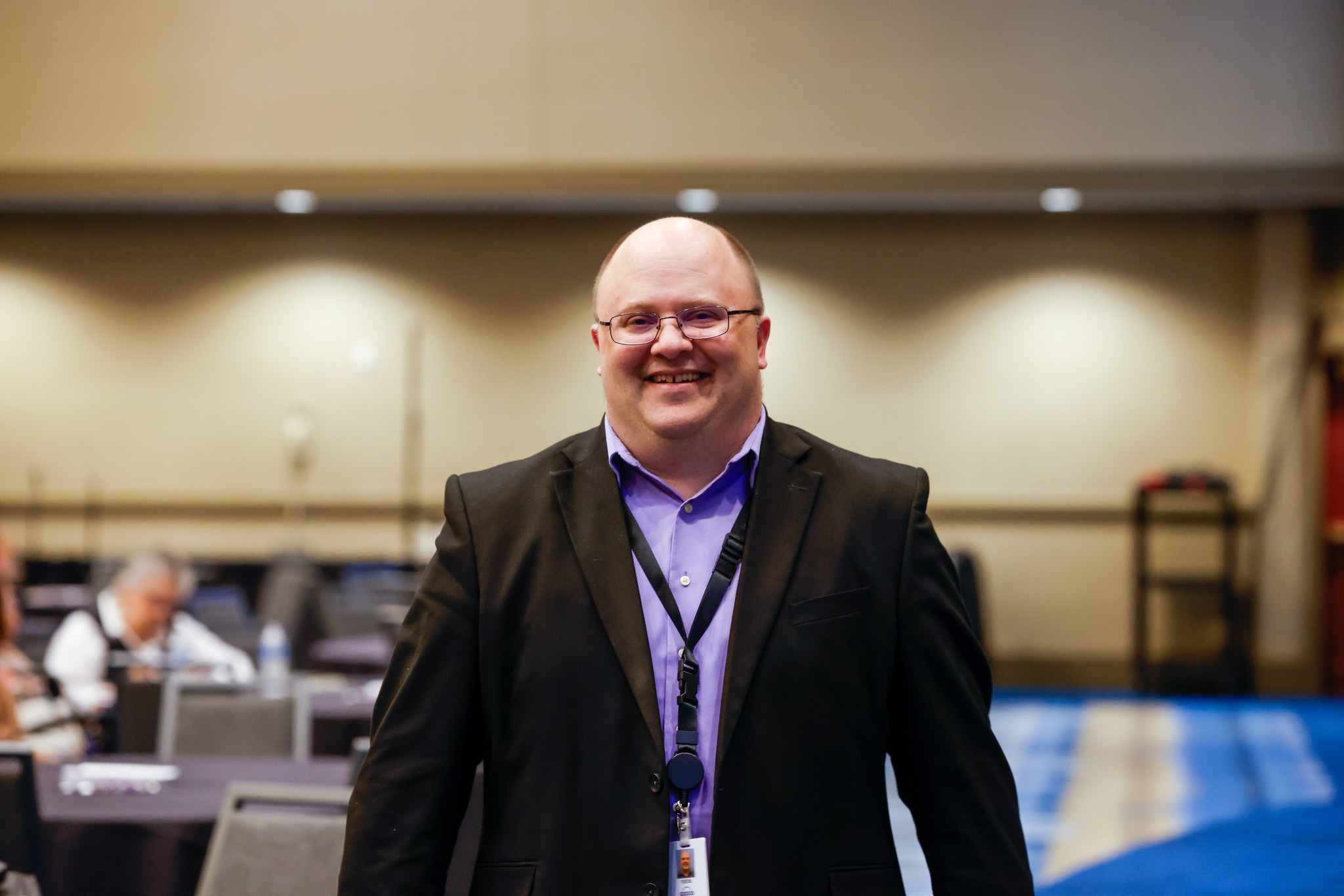
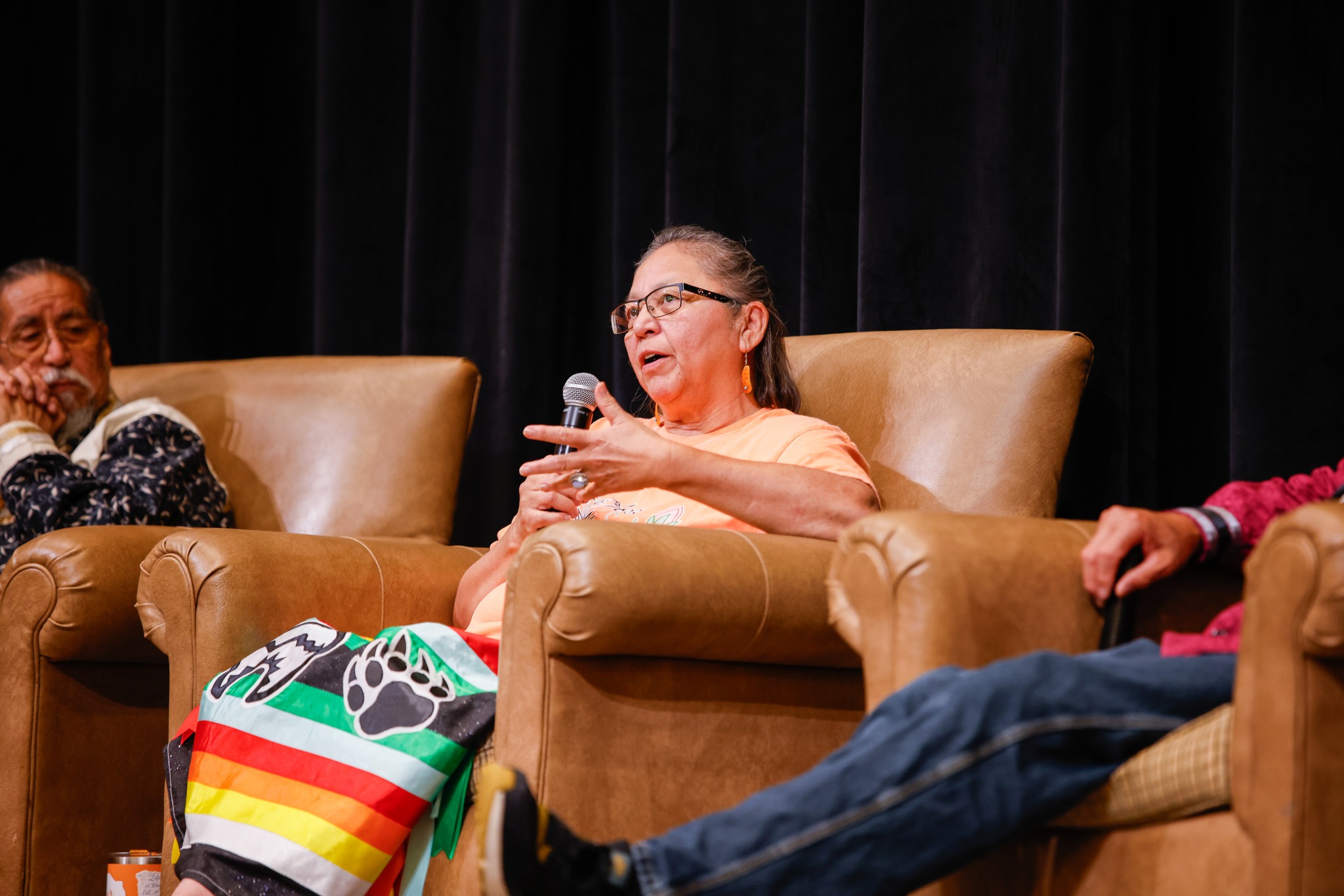
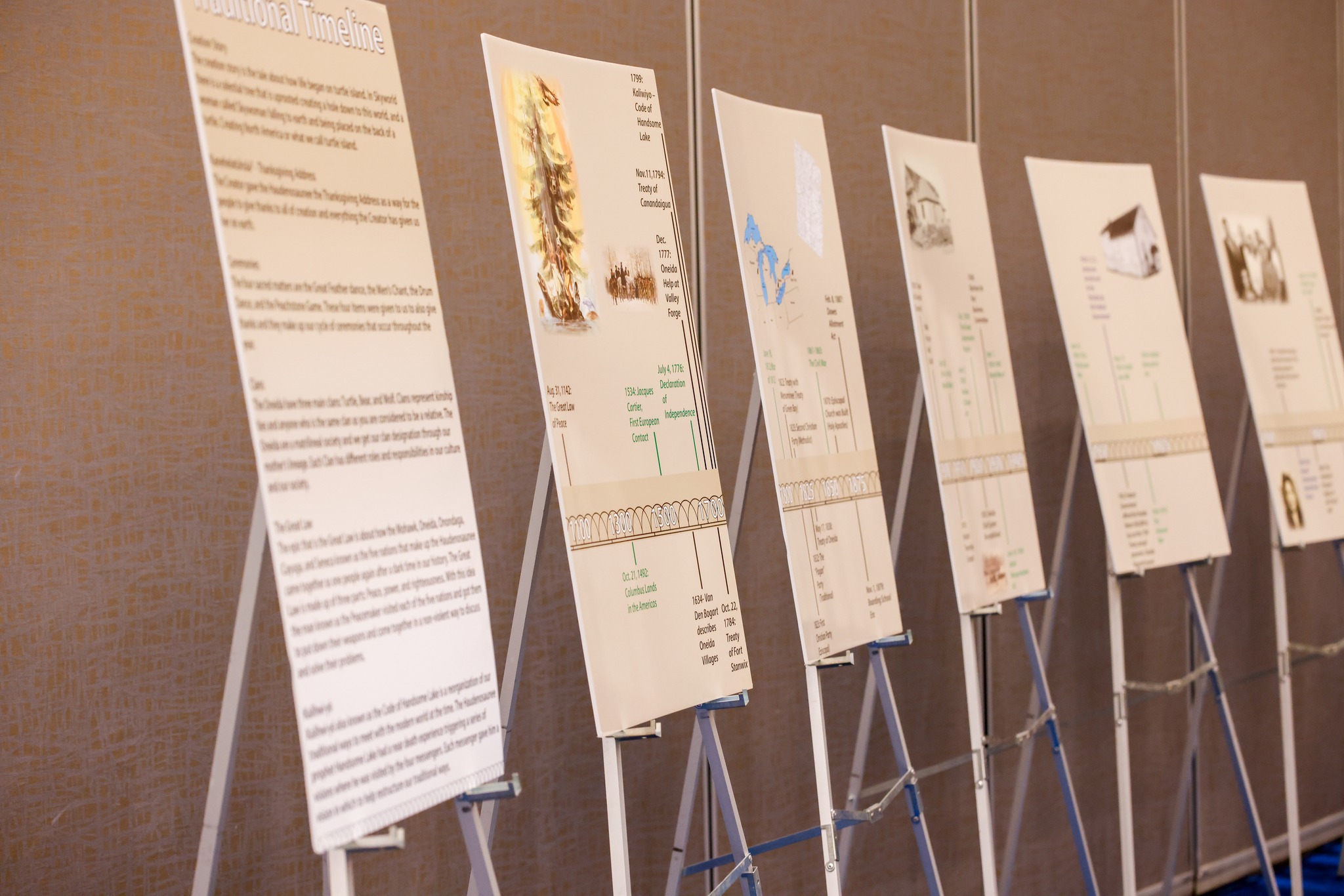
This two-day gathering explored the deep roots of Oneida identity and belonging. Attendees were able to engage with community leaders, historians, culture keepers, and policy experts as they reflected on our shared history and envisioned the path forward for the Oneida Nation.
The Oneida History Summit Presentations are abled to viewed through the Members Only Portal:
Click here to view the Oneida History Summit presentations
Survey
Survey is Closed — Stay Tuned for Results
As part of our efforts to ensure the sustainability of the Oneida Nation, the Onʌyoteʔa·ká· niʔi· Standing Committee hosted a series of community input sessions focused on tribal enrollment.
For those unable to attend in person, a remote participation option was offered through a short video and survey. The survey is now closed, and we sincerely thank all Tribal members, descendants, and Oneida Nation community members who took the time to share their thoughts.
Survey Results Coming Soon: Your input is being reviewed and will help guide future decisions. Please check back for updates as we prepare to share the results with the community.
Video Resource:
Keith Doxtator, former Director of Trust Enrollment, discusses blood quantum and citizenship at the 2022 Remaking Tribal Constitutions Seminar hosted by the Native Nations Institute at the University of Arizona.
This video served as the foundation for the survey and remains available as a valuable educational resource. We encourage you to watch and reflect, even though the survey is now closed.
Additional Reference Materials
Blood Quantum: Where Did It Come From—and What Does It Mean Today?
This video explains the history of blood quantum, a concept introduced by settlers and the federal government to measure “Indian blood.” It shows how this fraction, based on family history and census records, became linked to tribal citizenship after the Indian Reorganization Act of 1934.
Today, blood quantum is still widely debated.
- Some view it as a way to protect culture and resources.
- Others worry about population decline and question the accuracy of the original calculations.
The key point: Native nations have the sovereign right to decide their own citizenship rules.
Why This Matters for OPP
This conversation is part of the Onʌyoteʔa·ká niʔ i Project (I Am Oneida Project), which invites us to reflect on identity, enrollment, and the future of the Oneida Nation. Understanding where blood quantum came from, and how it affects us today, helps us make informed decisions about what belonging means for generations to come.
Keith Doxtator, former Director of Trust Enrollment, discusses blood quantum and citizenship at the 2022 Remaking Tribal Constitutions Seminar hosted by the Native Nations Institute at the University of Arizona.
A shortened version of this video served as the foundation for the Phase 1 survey and remains available as a valuable educational resource. We encourage you to watch and reflect, even though the survey is now closed.
Rethinking Tribal Membership: Key Insights
The video explores how tribes are reconsidering what determines membership. Historically, blood quantum was the main requirement, but many tribes are now moving toward lineal descendancy, which bases membership on family lineage rather than a specific blood percentage.
Key points from the discussion:
- Shift to Lineal Descendancy: More tribes are adopting lineage and sometimes residency as membership criteria.
- Beyond Numbers: Speakers suggest that membership should reflect connection and participation in the community, not just fixed categories like blood quantum.
- Osage Nation’s Approach: The Osage Nation chose to include as many people as possible through lineal descendancy. This inclusive approach brought benefits but also sparked internal debates among members.
- Challenges of Inclusivity: Tribes continue to discuss other factors like language, residency, and land ownership.
- External Influence: Blood quantum was introduced by outside entities, not originally a Native concept.
- Cultural Considerations: Loss of language and cultural ties can be as significant as changes in blood quantum.
- Looking Forward: The video encourages tribes to think about what citizenship means and how to ensure strong, lasting nations.
Connection to Onʌyoteʔa·ká niʔ i Project
These conversations align with the goals of the Onʌyoteʔa·ká niʔ i Project (I Am Oneida Project). Both focus on identity, belonging, and the future of tribal nations. By exploring enrollment criteria and cultural connection, we can make informed decisions that strengthen our communities for generations to come.
Minnesota Chippewa Tribe Population Study
The Minnesota Chippewa Tribe (MCT) wanted to understand how its population might change in the future. They worked with Wilder Research to create long-term projections for the Tribe and its six Bands: Bois Forte, Fond du Lac, Grand Portage, Leech Lake, Mille Lacs, and White Earth. Tribal leaders are concerned that the population is shrinking, so the study looks at what could happen under current rules and other possible options.
The projections go all the way to the year 2098 and explore five different enrollment scenarios:
- Current rule: Must have ¼ MCT blood.
- Scenario 2: Count Chippewa/Ojibwe blood from other tribes and Canadian First Nations toward the ¼ requirement.
- Scenario 3: Count blood from any federally recognized tribe or Canadian First Nation toward the ¼ requirement.
- Scenario 4: Lower the requirement to ⅛ MCT blood.
- Scenario 5: Enroll anyone who is a lineal descendant of the original 1941 MCT base rolls.
Why This Matters
These projections show how enrollment rules directly shape the Tribe’s future. This is similar to the conversations happening in the Onʌyoteʔa·ká niʔ i Project (I Am Oneida Project), where we’re asking important questions about identity and enrollment. Both efforts highlight that decisions made today will impact generations to come—and that understanding these trends helps us make informed choices about preserving culture and community.
Minnesota Chippewa Tribe Population Projections and Methodology Report